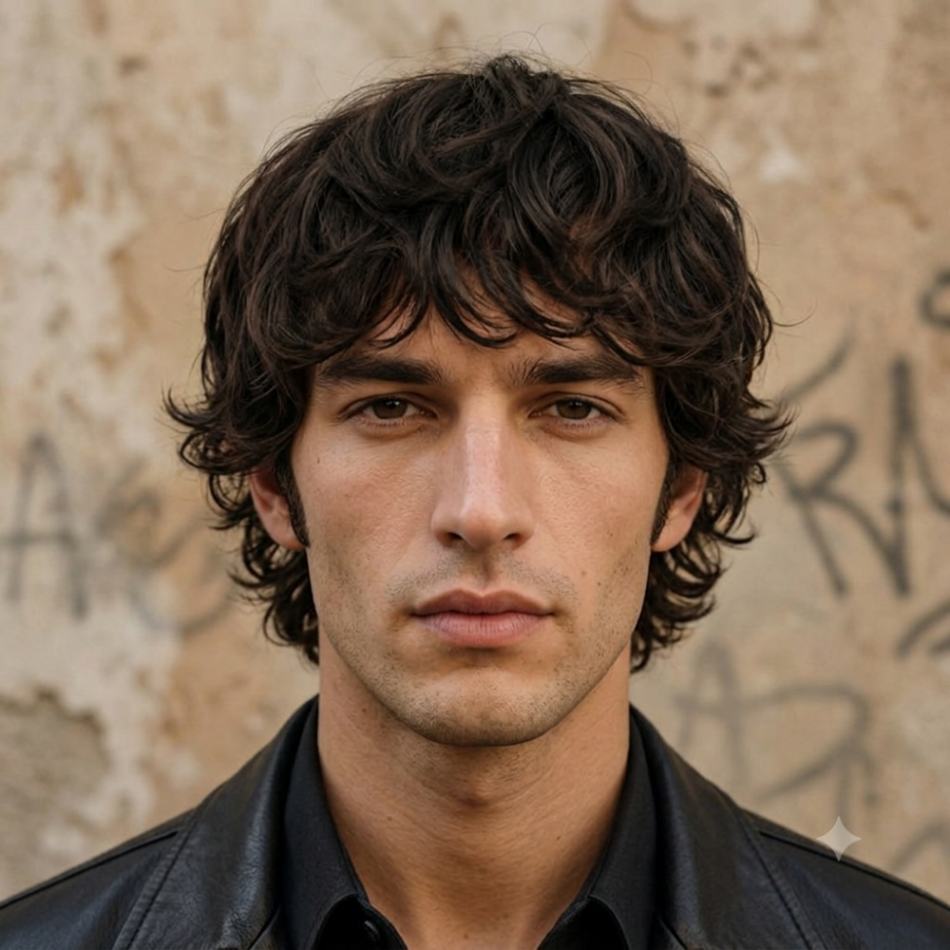
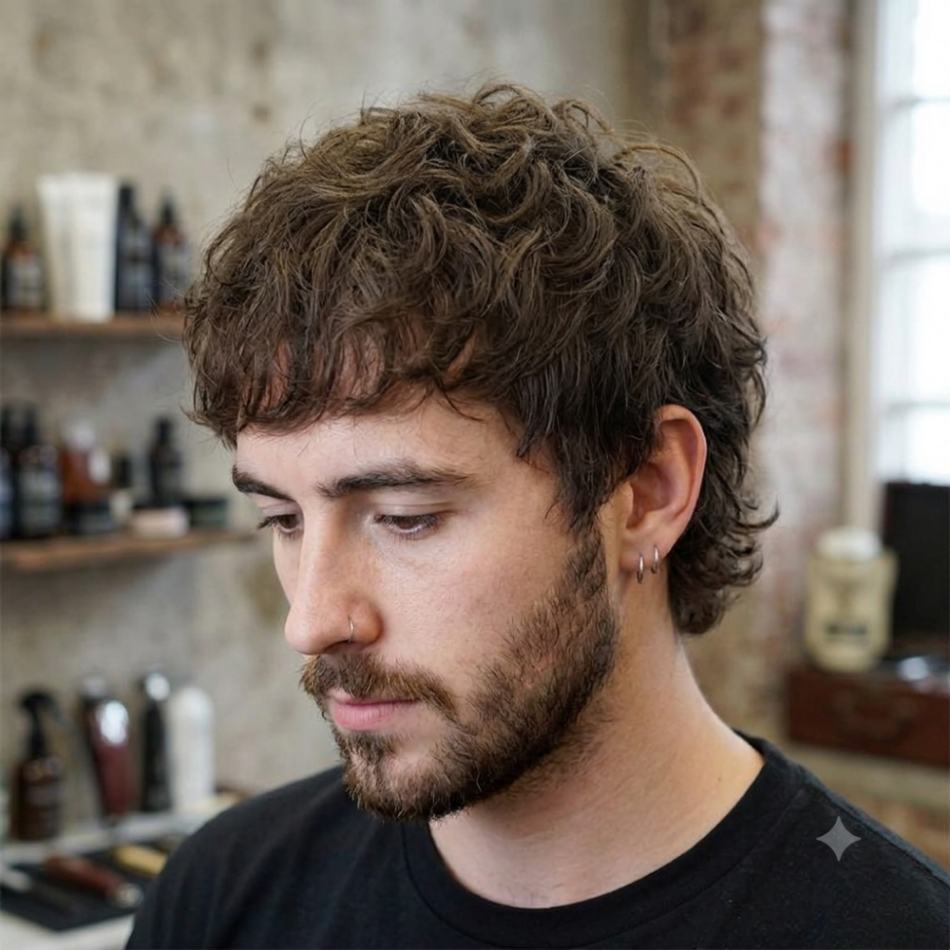
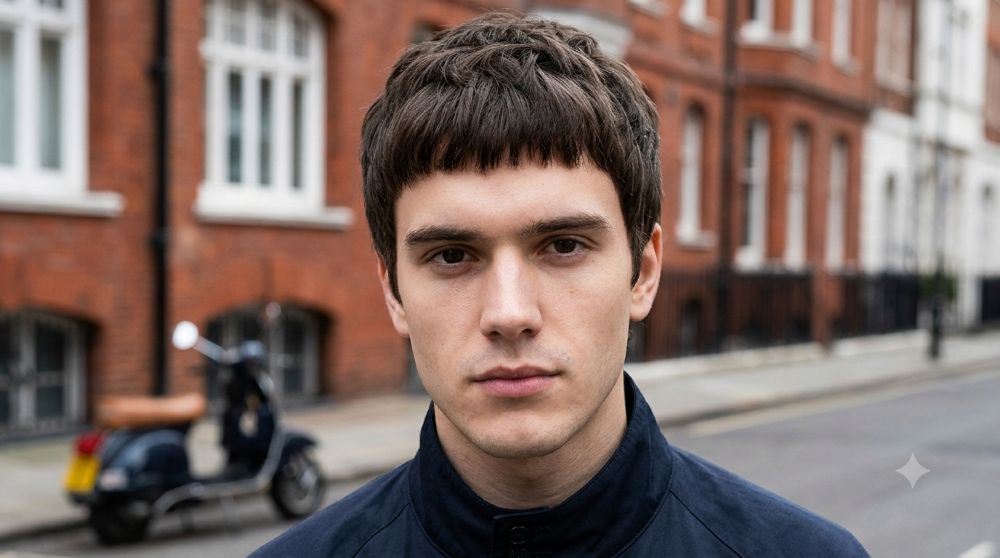
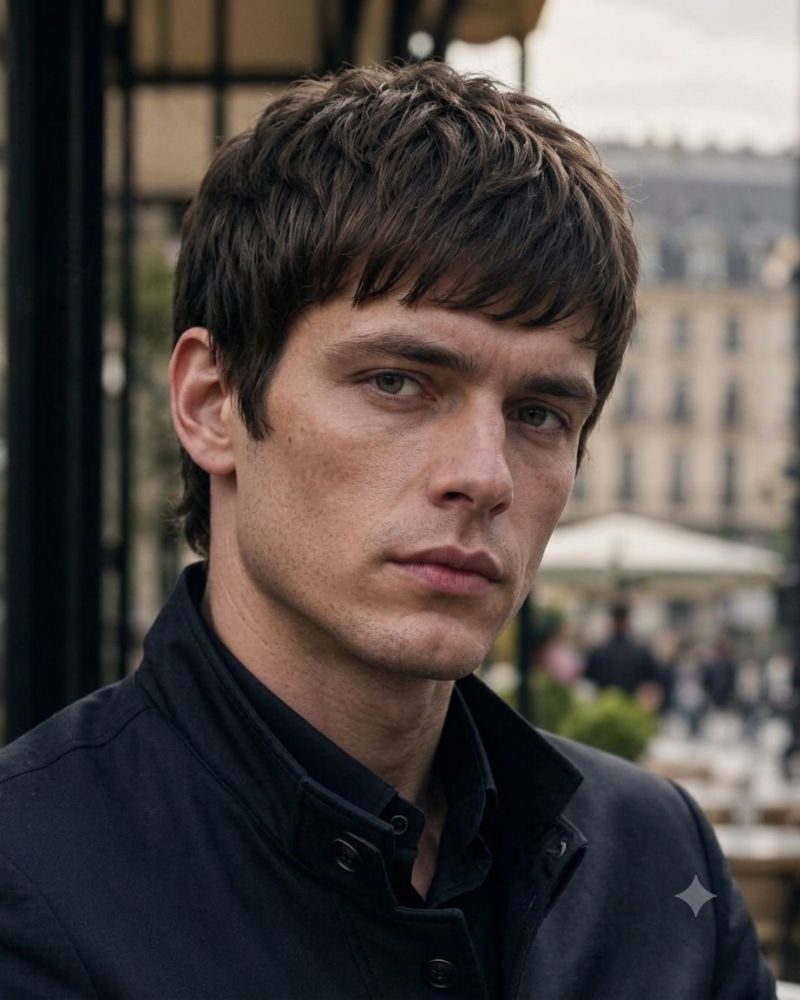
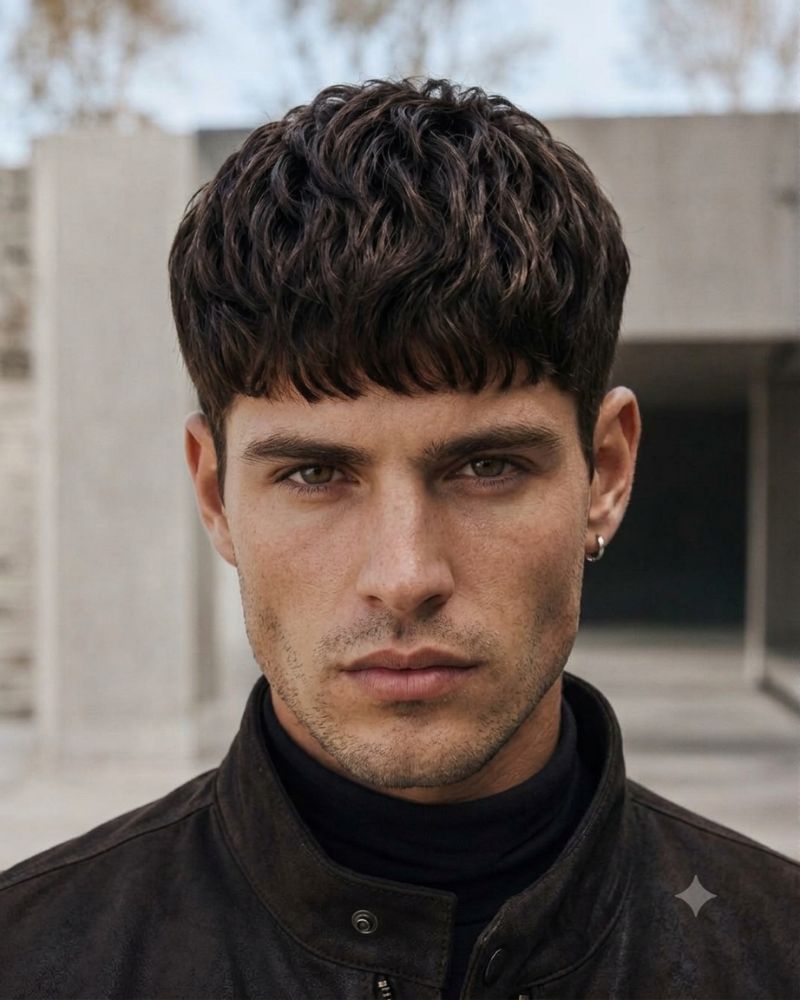
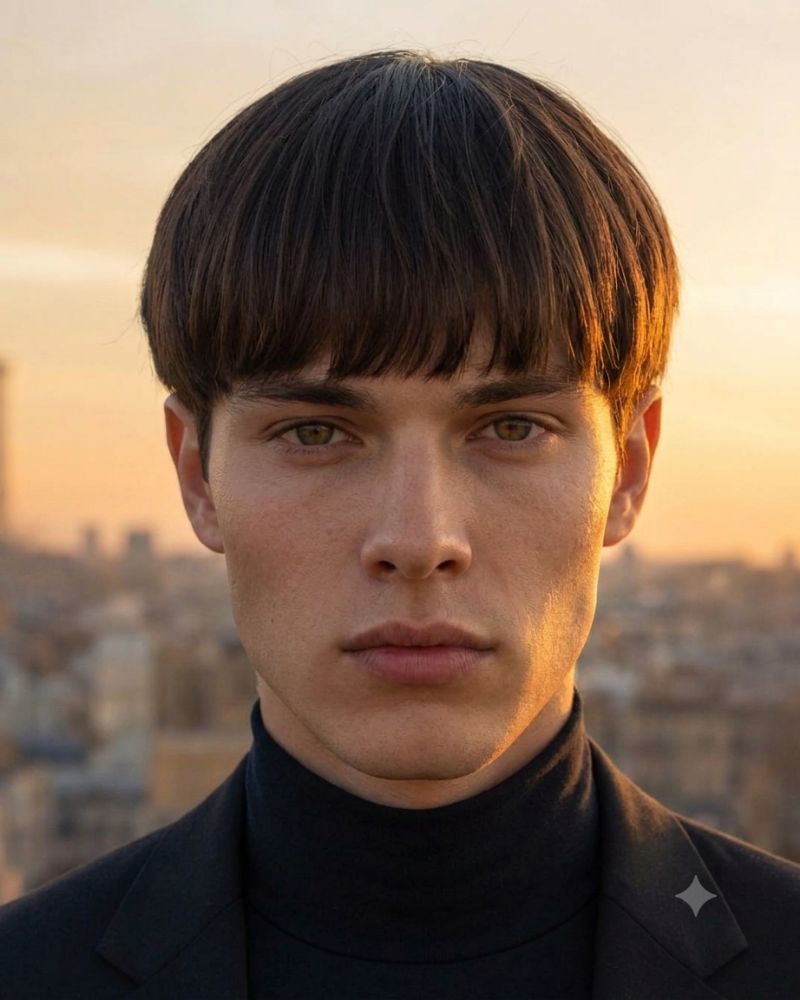
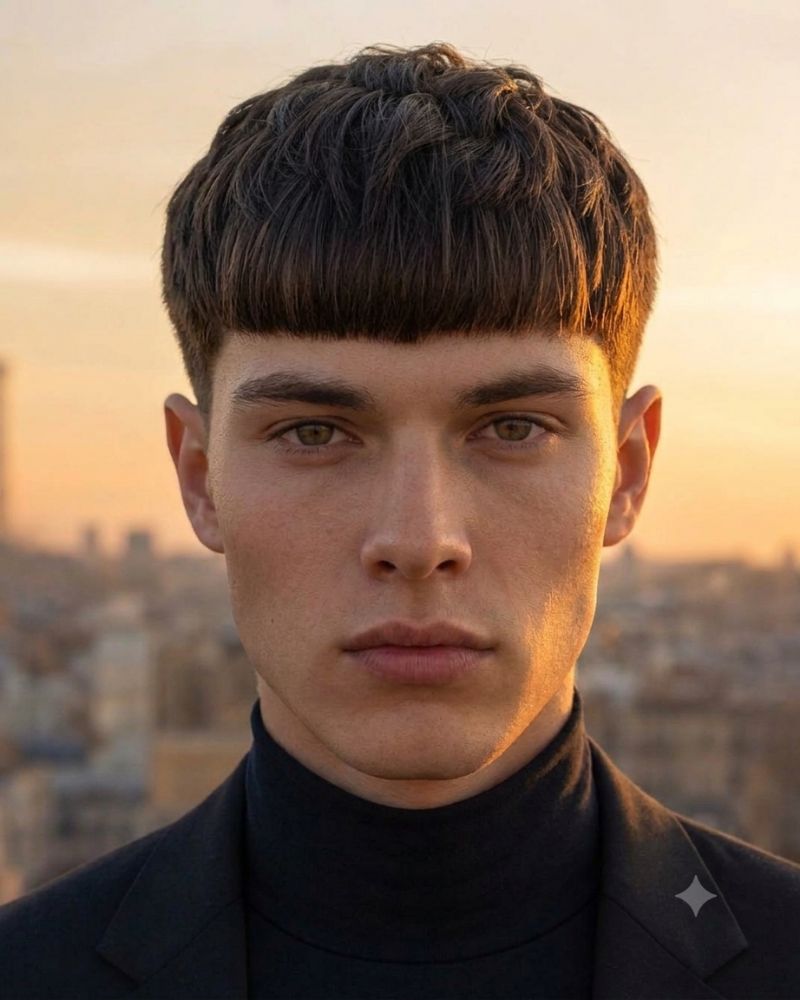
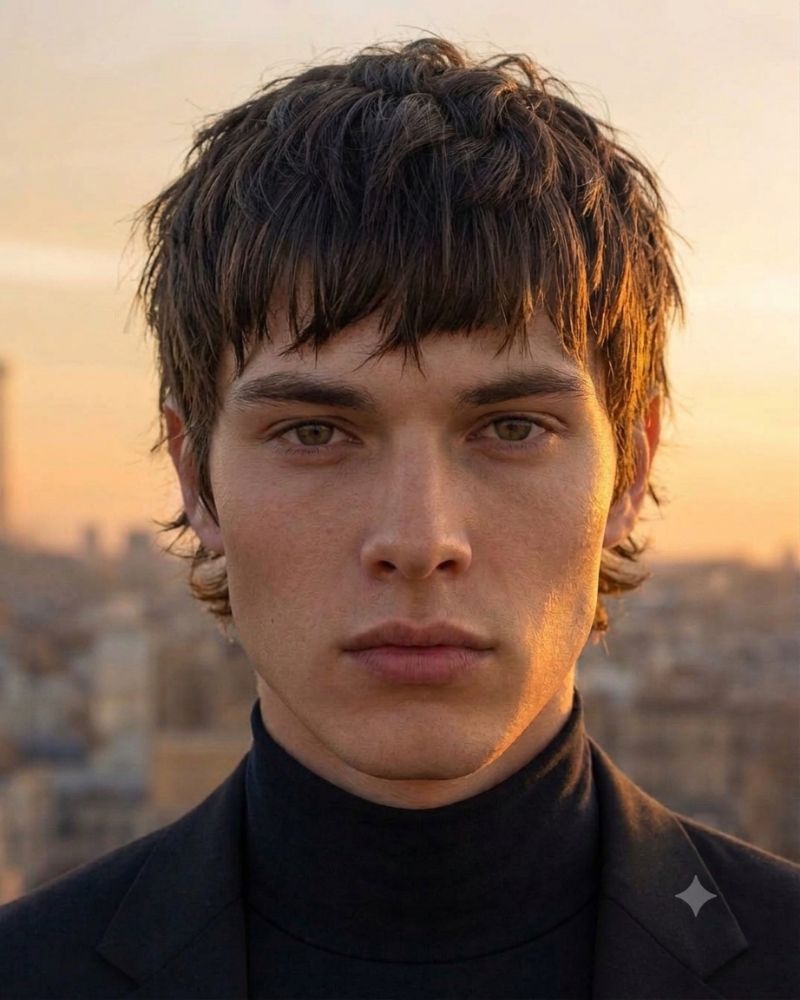
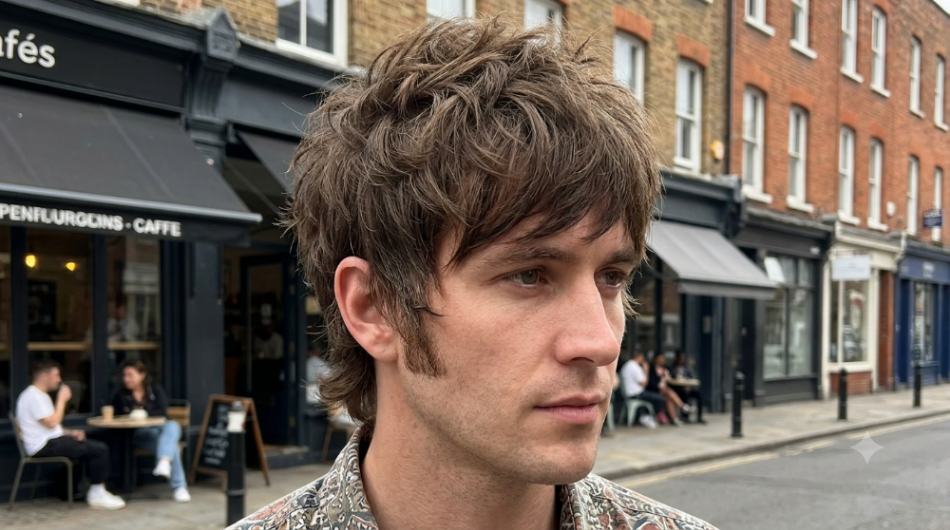
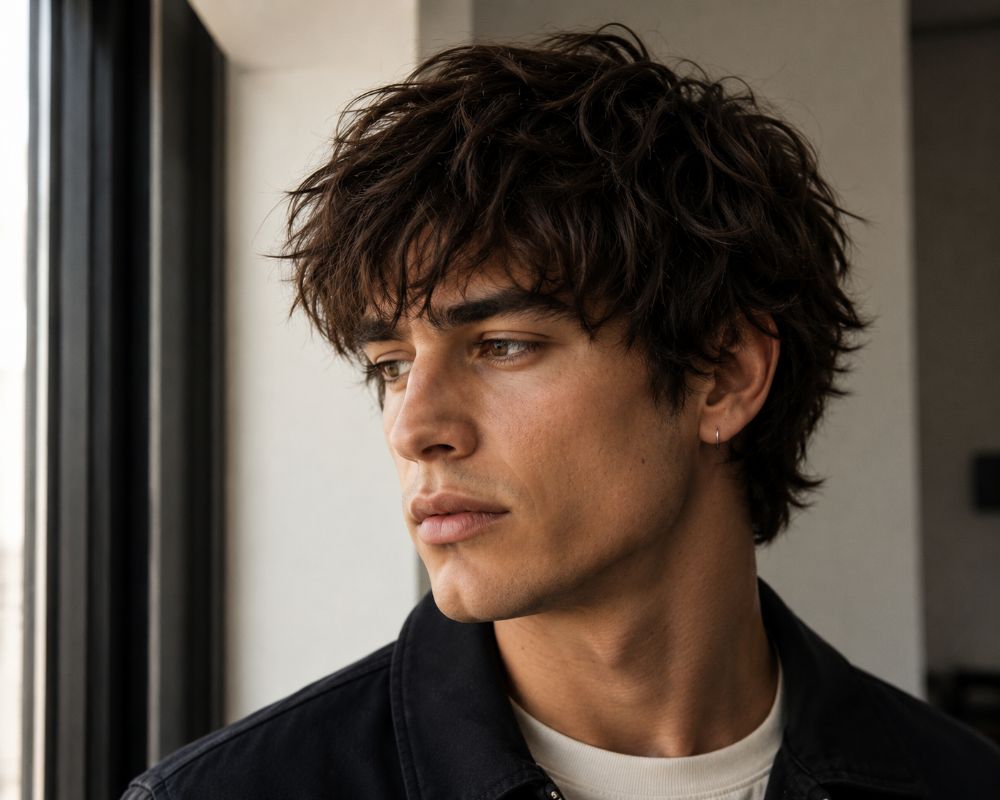
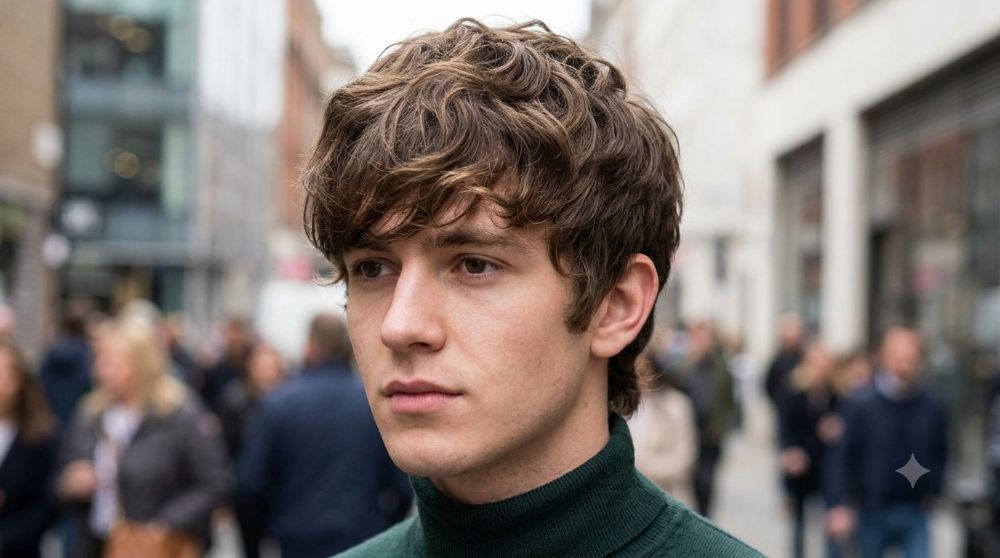
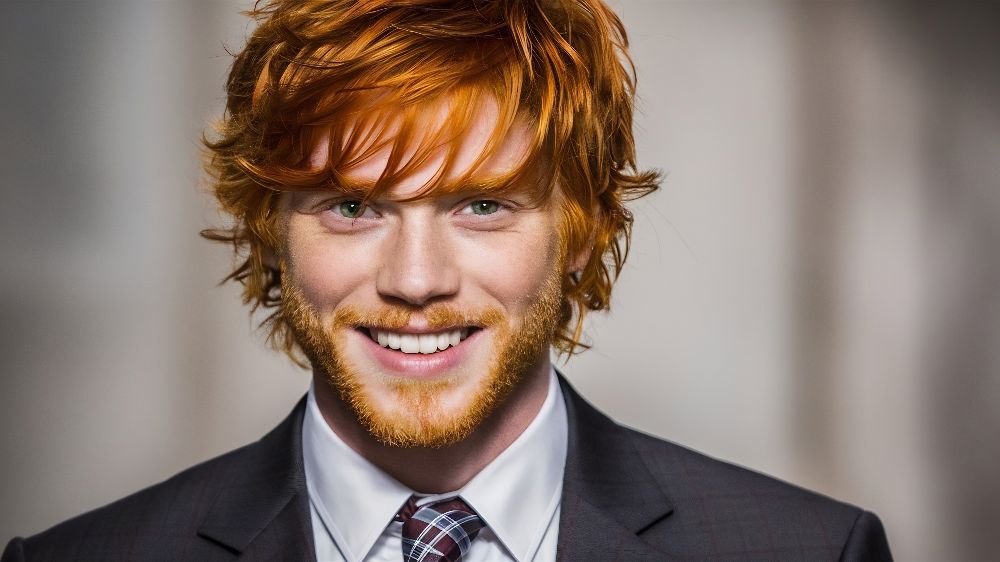
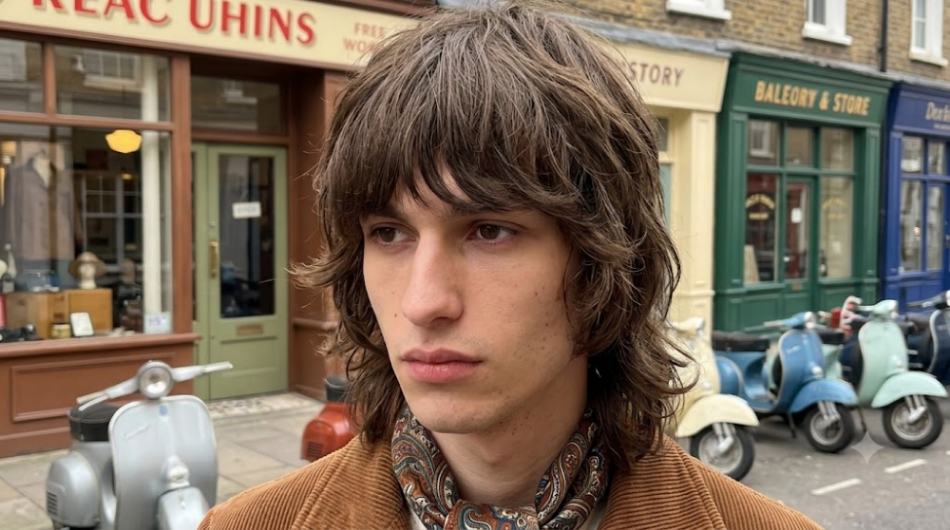
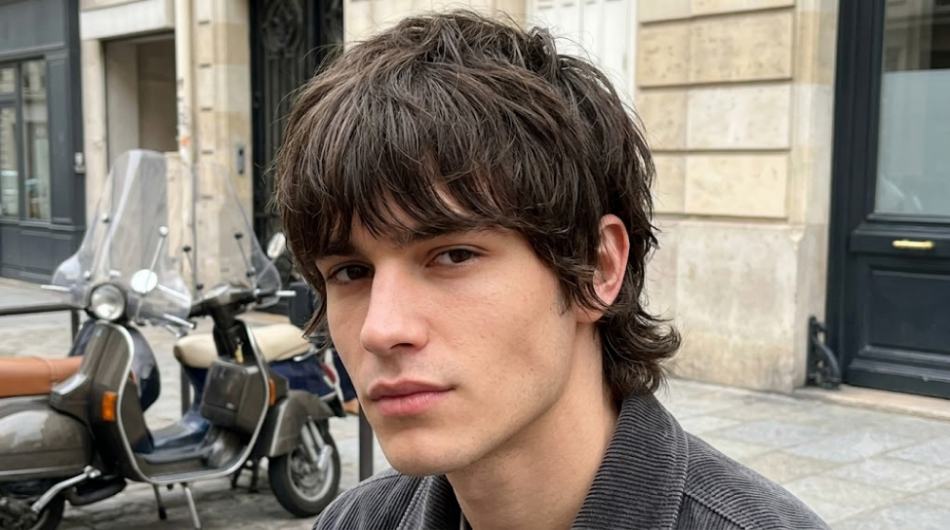
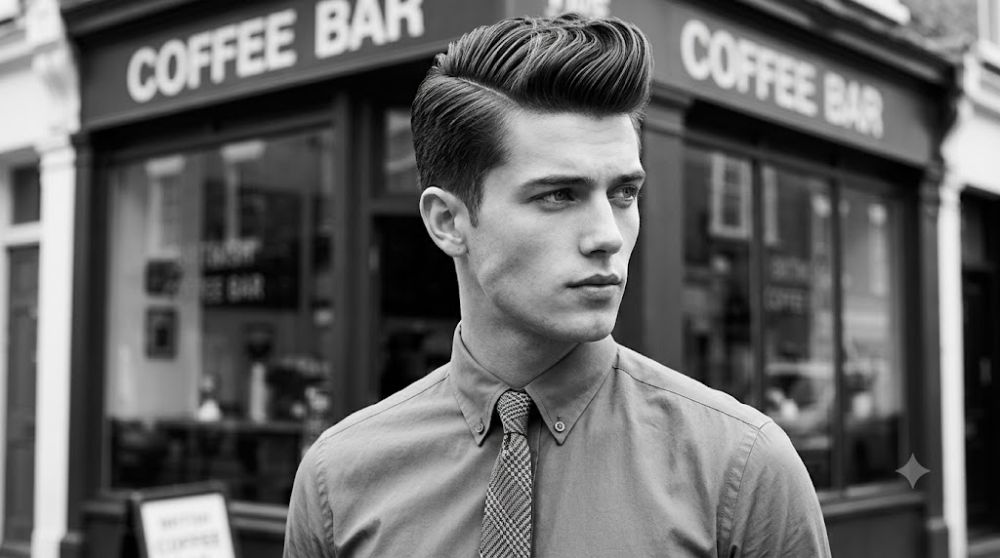
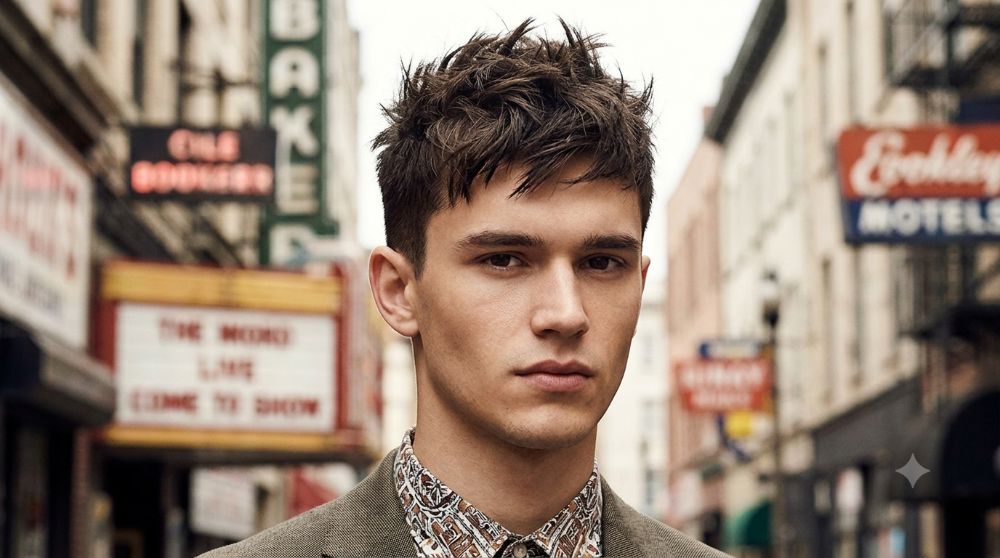
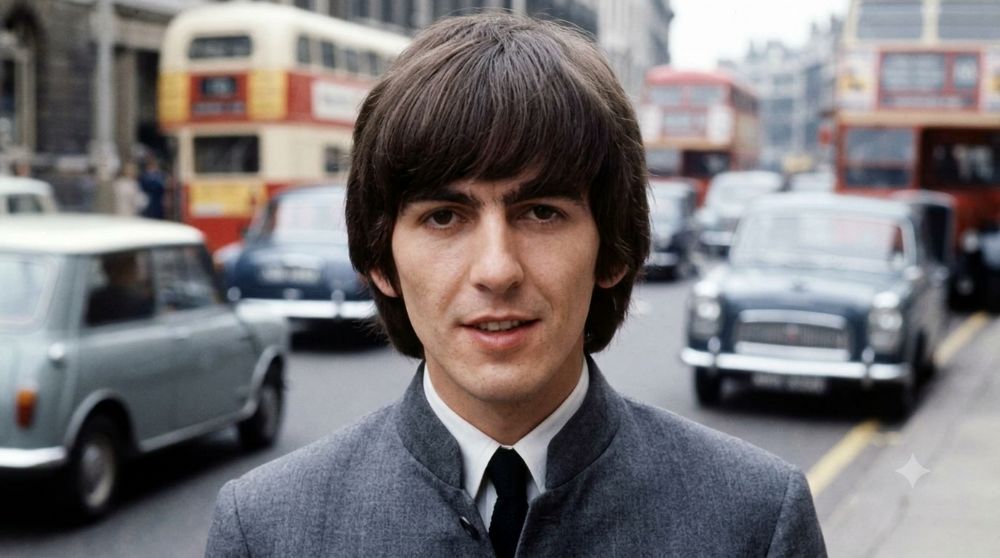
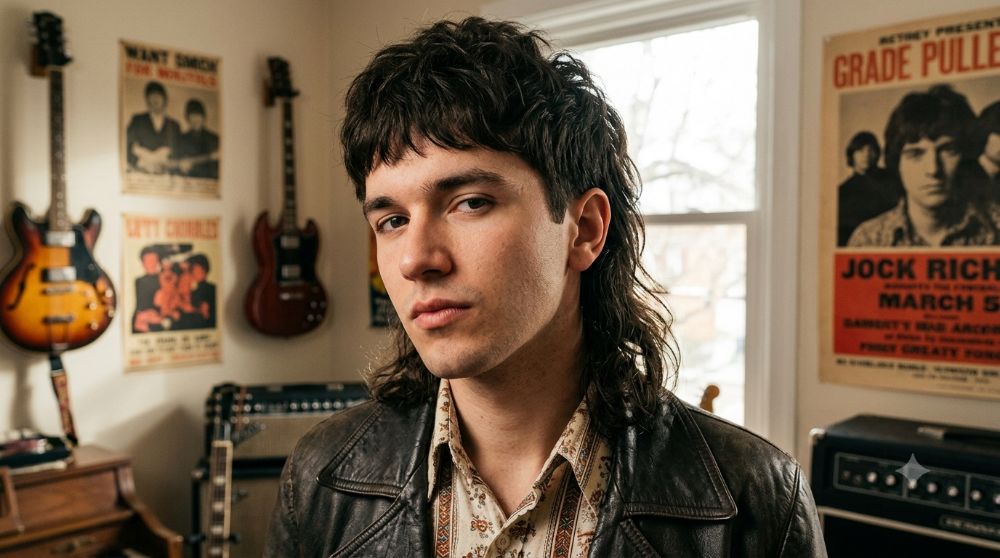
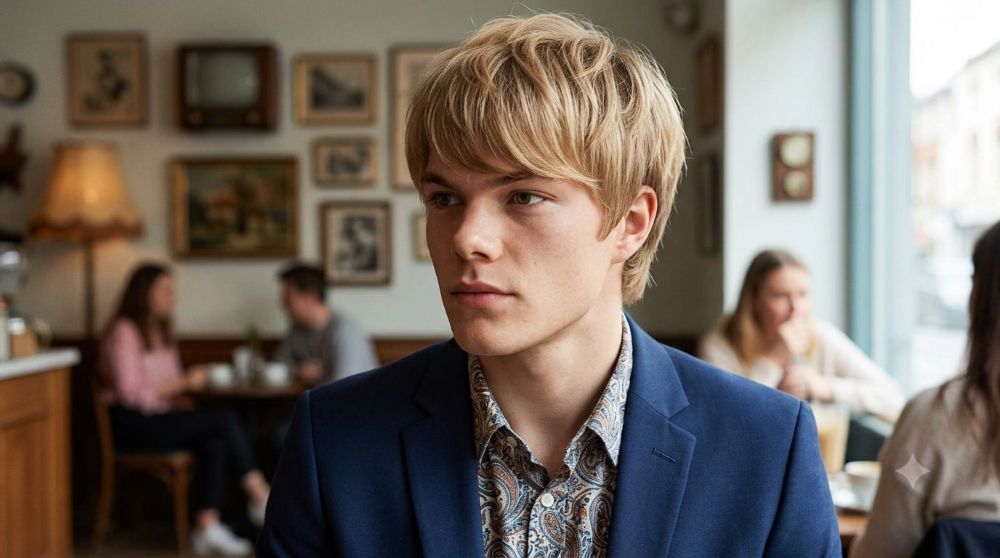
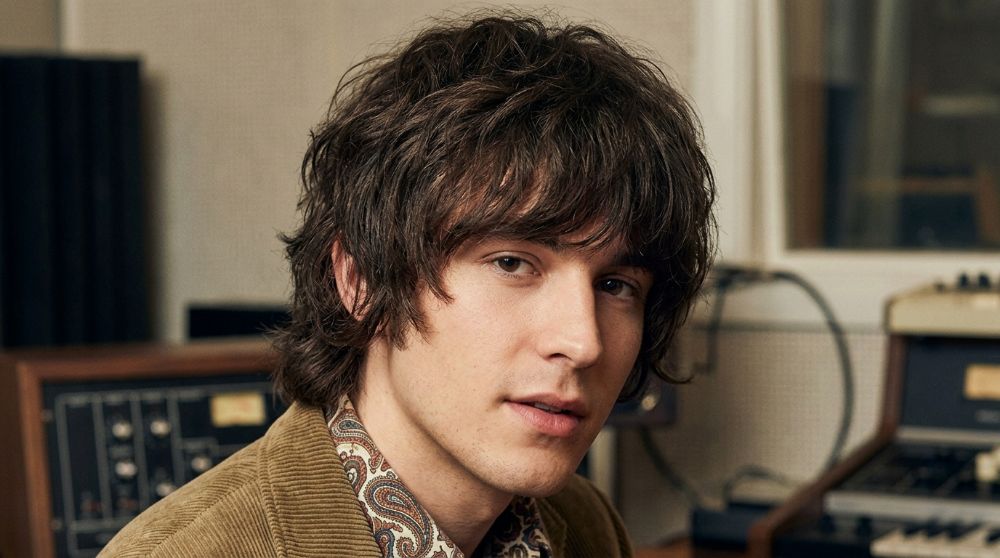
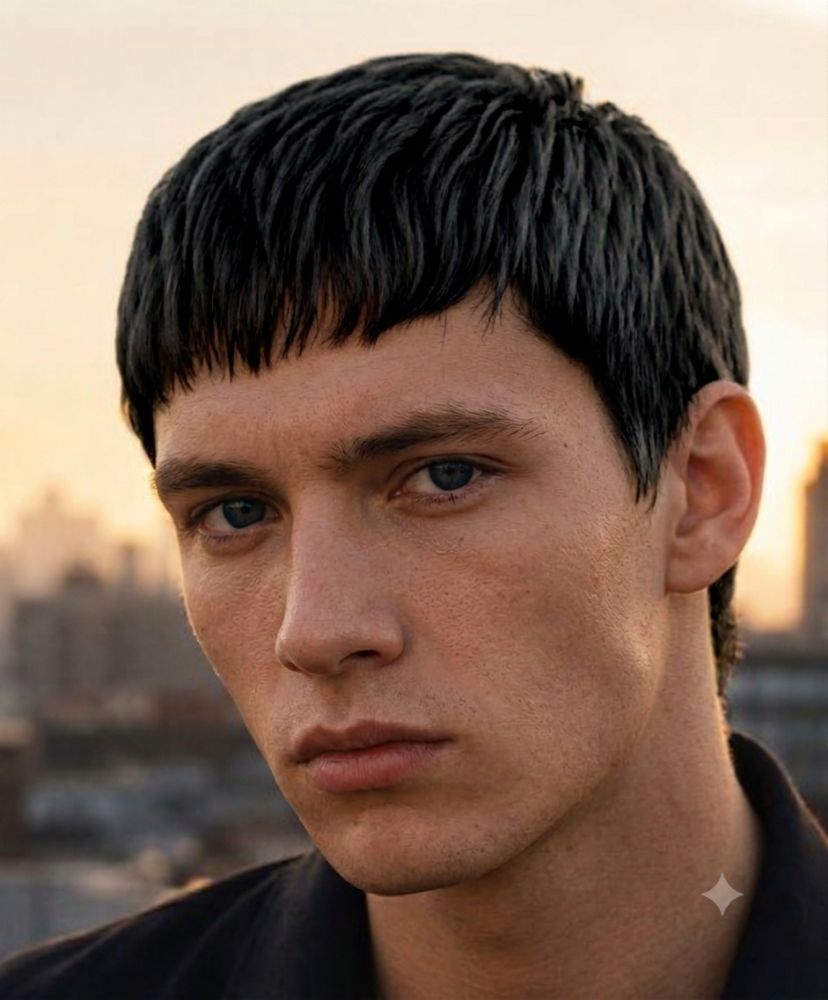
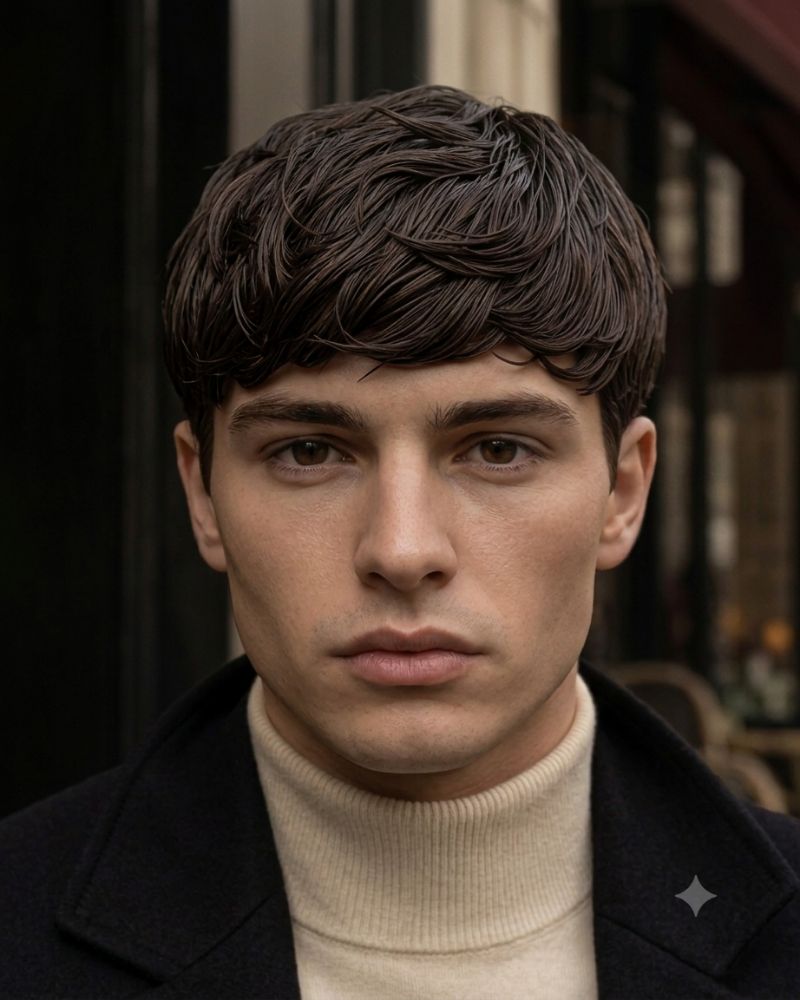
Ask a barber to point out a real mod cut in a crowded shop and they’ll find it in about two seconds. Longer on top, a heavy fringe doing most of the talking, sides finished with scissors instead of clippers. That last detail is the giveaway most people miss. Fades can copy nearly any modern silhouette you throw at them, but they can’t reproduce the soft, deliberate edge that only comes from shears.
This guide covers what actually makes a cut “mod” versus mod-adjacent, walks through two dozen-plus variations, and gets into the stuff barbers wish clients knew before sitting in the chair — fringe length, product choice, how often to book a trim.
Where the Line Actually Sits
Here’s the test that separates a genuine mod cut from something borrowing its name: was it built with scissors or clippers?
In the early 1960s, London’s original mods were reacting against American rock and roll style — the pompadours and rockabilly cuts that clipper-graduated sides into fades and tapers. Mod culture wanted the opposite. European tailoring, not American grease. So the haircut followed suit: scissor-cut from root to end, uniform length across the sides, zero graduation.
That standard hasn’t moved much in sixty years. A barber offering a “modern mod with a fade” is offering you two different haircuts stitched together — a fade underneath and a mod-styled top. It might look fine. It’s just not mod, strictly speaking.
Modern barbering has grudgingly accepted one workaround: a very low taper that only kicks in right at the hairline, leaving everything above it uniform. Purists still argue about whether this counts. Consider it the one gray area in an otherwise clear-cut rule.
Three things need to be true simultaneously for a cut to count as mod: scissor-cut sides, an actual fringe (not just longer hair swept forward), and proportions that trace back to the 1960s original. Miss any one of those and you’ve got a different haircut wearing mod’s name.
Originally rooted in African American barbershops, the fade has spread far beyond its origins. Military grooming played a role too, though these days it’s less about orderliness and more about looking effortlessly put-together. It pairs with virtually any style on top, which is why barbers love it and clients keep requesting it.
A Little Background, Because It Explains the Rules
Mod wasn’t originally a haircut — it was a subculture. Working-class London kids in the late 1950s built an identity around Italian tailoring, modern jazz, scooters, and a specific kind of continental sharpness that had nothing to do with American culture. The haircut was one piece of that larger project, not a standalone trend.
The style hit its commercial peak between 1963 and 1967. The Beatles carried the mop top version to a global audience. The Who, The Small Faces, and The Kinks provided the soundtrack. Carnaby Street became the retail center of the whole movement.
It faded out as the hippie era took over, then resurfaced twice more: once in the late 1970s through The Jam and Paul Weller (whose cropped, sharply-fringed version is honestly what most people picture when they say “mod” today), and again in the 1990s via Britpop bands like Blur and Pulp.
Why does any of this matter for a haircut guide? Because the history explains the rules. The original mods weren’t cutting their hair this way by accident — every element signaled something about taste and identity. That intentionality is still baked into the cut, which is part of why a properly done one still reads differently than most things men wear now.
Two Dozen-Plus Ways to Wear It
Not every mod cut looks the same, even with the scissors-only rule in place. Texture, length, and finish create real variety inside the tradition. Here’s the range, organized loosely from cleanest to most textured.
Classic and Clean Finishes
Mod Caesar Cut
Short and even all over with a blunt, straight-across fringe — structured, low-maintenance, easy to wear daily. Blow-dry gently and comb forward to set the line; the fringe carries the look, so keep it refreshed at every visit.
Short Mod Cut
Takes the same simplicity even further, staying close to the head with barely any styling required. Finger-dry and save the clay for days you want extra definition — most days you won’t need it.
Mod French Crop
Pairs a blunt brow-length fringe with a short layered top and clean scissor-cut sides. Matte clay works better here than anything shiny, since shine undercuts the sharp line the cut depends on.
Mod Bowl Cut
Goes full geometric dome with a perfectly horizontal fringe and one length all the way around — striking, retro, and easy to overdo with too much product. Keep it light or you’ll end up with a helmet instead of a haircut.
Textured and Tousled Versions
Modern Mod
Softens the classic silhouette with loose layers and natural movement, working especially well on thick or wavy hair. Ask for a layered top, soft brow-length fringe, and feathered sides; finish with matte clay after finger-drying.
Choppy Mod Cut
Uneven layers plus a soft fringe for a relaxed, broken-up shape. Texture powder does more for the choppy pieces here than paste or clay ever will.
Textured Mod Cut
Similar territory to the Choppy Mod, with shorter, more controlled layering for depth without going quite as loose. Warm matte paste between your palms first so it spreads evenly instead of clumping.
Messy Mod Cut
Pushes furthest into “undone,” though it still needs the fringe and scissor-cut sides to read as mod rather than just messy hair. Less product is genuinely better here — a touch of molding paste is plenty.
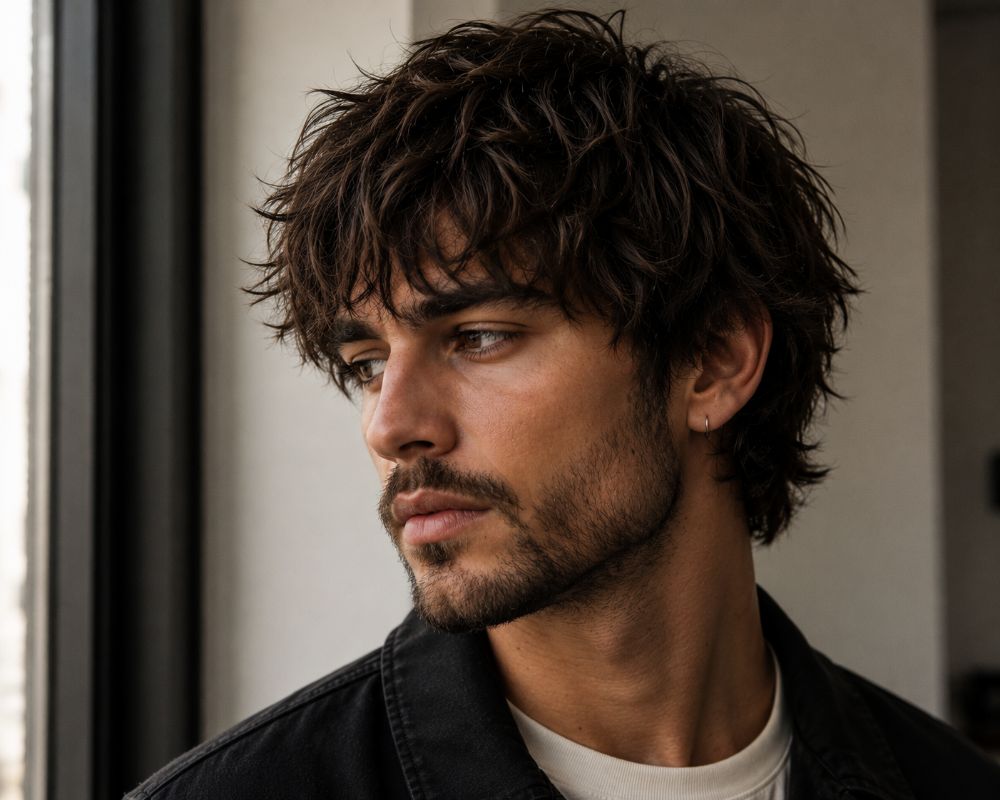
Textured Messy Mod with Beard
Pairs a broken (not blunt) fringe with a beard doing structural work for the face — a good option if you want the mod silhouette without the sharpest possible edges. Scrunch matte clay through damp hair and let it air dry.
Built for Natural Texture
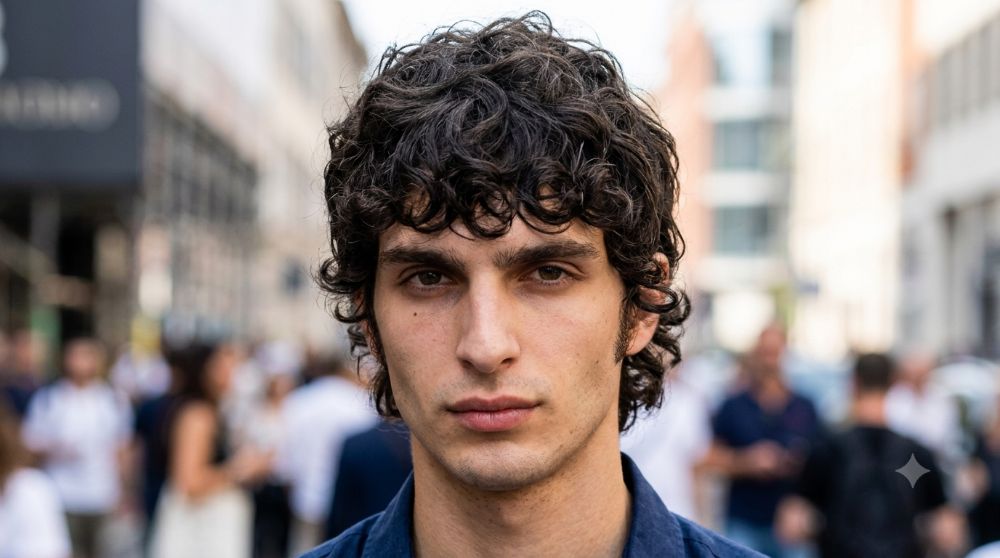
Curly Mod Cut
Keeps natural curl pattern intact using curl cream and air-drying rather than a comb, which would break up the curls. Skip the comb entirely — fingers keep the pattern honest.
Wavy Mod Cut
Lets natural wave shape soft layers around the head without much intervention. Sea salt spray on damp hair brings the wave pattern out before any other product goes in.
Thick Mod with Slight Waves
Built for hair with real natural weight — medium layers let the waves push into a full fringe while short scissor-cut sides keep the volume from reading as bulk. Blow-dry forward on low heat, finish with matte texture paste.
Longer and Looser Variations
Shaggy Mod Cut
Extends length through the sides and back while keeping ragged, razored ends and a loose, layered fringe. Suits wavy and naturally textured hair especially well.
Shaggy Mod with a Blunt Fringe
Same longer, looser base as the Shaggy Mod, but the fringe is cut blunt at the brow for sharp contrast against everything underneath. Blow-dry forward while scrunching for volume, then a small amount of matte clay.
Mod Flow
Takes an ear-grazing length and sweeps it back with texture leading the shape rather than a defined part. Push back with your fingers while it dries; sea salt spray gives it grip without locking anything down.
Long Mod Cut
Longer layers around the sides and back for a smooth, natural shape and easy movement. Reach for texture clay only when the layers actually need defining.
Medium Mod Cut
Sits between the cropped and longer versions — enough length to move through the day without the full commitment of a longer cut. Styling cream gives this length control without flattening the volume.
Height and Lift
The Mod Quiff (Paul Weller Style)
Lifts the front section with a round brush before any product goes in — the most styling-intensive version on this list. Medium-hold pomade with light shine locks in the height for the day.
Spiky Mod Cut
Takes a rougher approach to height, building texture from the roots with strong-hold clay in small sections. Blow-dry while lifting sections with your fingers first.
Cultural Throwbacks
The Mop Top (Beatles-Style)
Recreates the Beatles-era silhouette directly — rounded, full, minimal product needed. Blow-dry downward and guide forward with your fingers; a light pomade smooths it without adding weight.
90s Mod Cut
Channels Britpop with choppier layers and a lower-sitting fringe, looser overall than the 1960s original. Matte cream applied sparingly keeps the layers soft rather than set.
Mod Mullet
A more contemporary hybrid: short and tidy up front, longer through the back, with scissor-cut sides holding the whole thing together. Style the front with matte clay and leave the back alone — it falls best on its own.
Specialty Options
Blonde Mod Cut
Isn’t really a different shape so much as a different finish — the lighter color sharpens the outline and needs more upkeep (argan oil, root touch-ups every five to six weeks) to stay healthy.
Side-Swept Mod Cut
Redirects the fringe to one side for a slightly softer, Bieber-adjacent read. Works best if your hair already wants to move in one direction.
Fluffy Mod Cut
Prioritizes volume above all else, with volumizing mousse applied before blow-drying, never after — that order is what creates the bounce.
Edgy Short Mod Cut
Compresses the whole shape down, making the fringe the singular focal point. Molding paste defines the layers and holds the fringe in place.
Modern Mod with Low Taper
The contested variation mentioned earlier — keeps the classic mod shape everywhere except a gently shortened edge right at the hairline. Purists skip it; plenty of modern barbers offer it anyway.
Getting It Right at the Barbershop
Walking in and saying “give me a mod cut” leaves too much open to interpretation. A few things to nail down before the scissors come out:
Pick an era. A 1964 mop top, a 1978 Jam-era cut, and a 1990s Britpop variation are three distinct haircuts that all technically qualify as “mod.” Know which one you’re after.
Bring a photo, ideally of a specific person. “Paul Weller, around 1980” gives a barber far more to work with than a verbal description ever could. If you go this route, know that Weller’s hair changed noticeably between the late ’70s and early ’80s — specify which version.
Say the word “scissors” out loud. Confirm the sides will be scissor-cut, not faded or tapered. Some barbers will quietly offer the fade version without flagging that it’s a different tradition. Nothing wrong with choosing that — just make sure it’s a choice, not a default.
Lead with the fringe. Blunt or pointed, brow-length or shorter, straight across or swept to one side — this single decision shapes almost everything else about the cut. If your barber isn’t asking about it early, bring it up yourself.
Be honest about your texture and your morning routine. A reference photo assumes straight-to-wavy hair and several minutes of styling time. If your hair curls differently or you’re not going to blow-dry it daily, say so — a good barber adjusts the cut rather than pretending the photo will translate directly.
Living With It: Styling and Products
Once the cut is done, the daily routine is short but non-negotiable — mod cuts look intentional or they don’t look right at all.
The basic sequence: damp hair, product worked through evenly, hair combed or shaped into place, fringe set last since it’s the visual anchor, then hands off for the rest of the day. Over-touching is the single fastest way to wreck a mod style once it’s set.
Product choice tracks pretty closely with which variation you’re wearing. Clean, classic cuts (Caesar, French crop, side part) want matte clay or a natural-finish pomade — enough hold without shine that dates the look. Textured and choppy versions want matte paste, worked in with fingers rather than a comb. Wavy and curly variations lean on sea salt spray to enhance what’s already there. Quiffs and anything requiring lift need a round brush and medium-hold pomade with a bit of shine.
Skip heavy wax, hairspray, and most mousse — all three either flatten the fringe, kill movement entirely, or fight against the deliberate look the whole cut is built around. The one mousse exception is a volumizing formula for the fluffy variation, applied before drying, never after.
Maintenance-wise: full cuts every four to six weeks depending on length, fringe touch-ups every two to three weeks in between. The fringe grows out faster than the rest of the cut reads, and a two-week-old fringe is usually the first thing to make an otherwise sharp mod look neglected.
Where People Get It Wrong
The single most common mistake is accepting a fade as part of the deal — asking for “mod” and walking out with a fade underneath a mod-styled top, which isn’t the same haircut no matter how good it looks. A close second is skipping the era conversation entirely; “mod” alone covers at least three genuinely different looks spanning three decades.
Beyond that: not being specific about fringe length (the source of most chair miscommunications), trying to force a straight-hair reference photo onto curly or coily hair without adjustment, overloading the finished cut with heavy product, and letting the fringe grow past its prime instead of booking a quick touch-up. All of these are avoidable with about thirty seconds of extra clarity before the cutting starts.
Common Questions
Does a mod cut ever include a fade? Not by the traditional definition — the whole style developed in opposition to graduated, clipper-cut sides. The closest accepted exception is a very low taper right at the hairline, and even that gets pushback from purists.
How is this different from a Caesar cut? A Caesar is its own defined style: blunt fringe, uniformly short sides. A mod Caesar is a specific interpretation of that shape done with mod’s scissor-only rule and period-correct proportions. Every mod Caesar is technically a Caesar; not every Caesar reads as mod.
Did the Beatles start this trend? No — they popularized it. London barbershops were cutting mod styles before 1963, but the Beatles’ global visibility from 1963 onward is what took the look worldwide.
Is this style having a moment right now? It’s never really left, honestly. There have been distinct revival waves (late ’70s, early ’90s), and it’s currently riding alongside a broader return to structured, tailored menswear generally.
Which face shapes work with this cut? Most of them, since fringe length and proportions flex easily. Oval faces have the widest range of options. Round faces tend to do well with height-focused versions like the quiff. Long faces suit fuller, wider fringes.
What’s requested most often? The textured mod cut tends to top the list — it balances the cultural reference against everyday wearability better than most variations. The Weller-style quiff gets more attention as a specific cultural touchstone but demands more daily styling.
Is it office-appropriate? The cleaner variations — side part, French crop, short mod — read as entirely professional. Louder versions like the spiky or blonde takes suit more creative environments better.
How do I actually set the fringe each morning? Product into damp hair, comb or finger-style it into position, and do this step last, after the rest of the hair is shaped. Then leave it alone for the day.
How often does the whole thing need a trim? Roughly three to four weeks for cropped versions, four to five for mid-length, five to six for longer cuts — with fringe touch-ups needed more frequently than any of those full-cut intervals.