
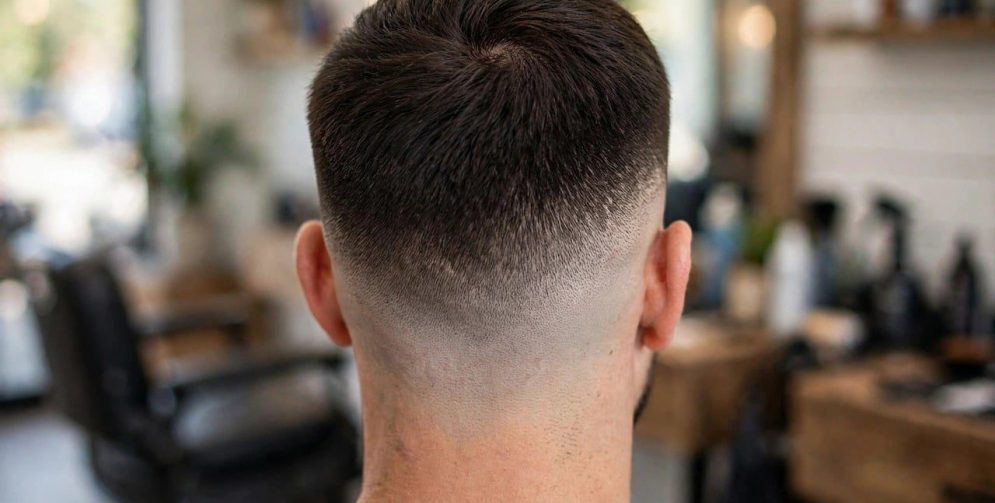
What exactly is a fade skin haircut?
A fade skin haircut is a men's cut where the hair is taken down to bare skin at the sides and back, then blended gradually into longer length on top. Barbers call the bare strip the skin line, and it sits at the very bottom of the fade, usually at the hairline or just above the ear.
The blend zone separates a good skin fade from a rough one. The barber works through several guard lengths, stepping up in small increments so no hard line shows between the skin and the longer hair. A short transition looks sharp and tight, a longer one looks softer.
- A standard fade leaves a thin layer of stubble at the bottom, not bare skin.
- A low taper removes weight only at the neckline and sideburns and keeps length above.
- A skin fade carries the bare line all the way around the sides and back.
- The top stays separate, so you can wear it short, textured or swept back.
Who does a skin fade suit?
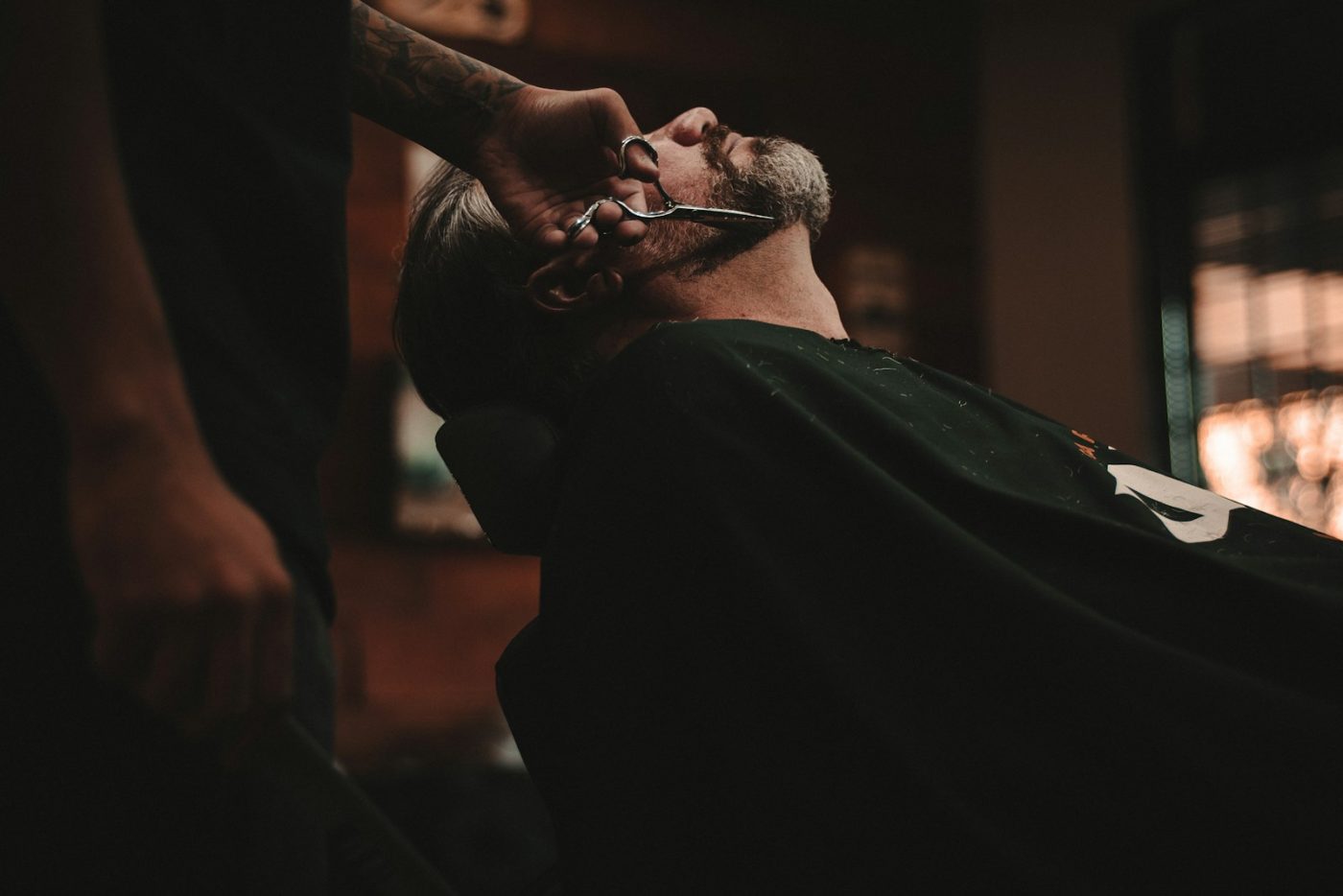
A skin fade suits most men who want a sharp, low-maintenance outline, and it works especially well on round, square and oval faces because the tight sides narrow the head and add height on top. Heart-shaped faces benefit from keeping some length at the temples so the forehead does not look wider than the jaw.
Hair type matters as much as face shape does. Straight, wavy and tightly coiled hair all take a skin fade cleanly, but fine or thinning hair shows scalp through the top section, so a barber may leave more weight there. Very curly hair can leave visible gaps between the shaved line and the curls as it grows out.
- Round or square face: a high skin fade with length on top adds height.
- Long or narrow face: a low skin fade keeps the sides from looking too tight.
- Fine or thinning hair: ask for a longer top and a mid fade instead of skin.
- Visible scars or scalp conditions: a taper leaves more coverage.
- Fast-growing hair: expect the clean line to blur within a week.
Skip the skin fade if you dislike the shaved-to-the-scalp look or want a cut that holds its shape for a month without a trim.
How do you ask a barber for a skin fade?
Say the words plainly: "skin fade on the sides and back, number 2 on top, blend starting about an inch above the ear." That one sentence covers the three things a barber needs: the guard at the top of the fade, where the skin line sits, and how high the blend climbs.
Bring a photo of the same hair type as yours, shot in daylight from the side and the back. A picture of a model with thick, straight hair will not translate to fine or curly hair, and your barber will tell you so before the clippers start.
- Name the top guard first, for example number 2 or number 3, so the length above the fade is fixed.
- Point to where the skin should begin: at the sideburn, above it, or higher toward the temple.
- Describe the blend height in words, such as low, mid or high, and let the barber mark it with a comb.
- Mention cowlicks, scars or a hairline you want left alone before the clippers touch them.
- Ask for a dry check at the end and say if you want the line softened or kept sharp.
Skin fade vs taper fade: what is the difference?
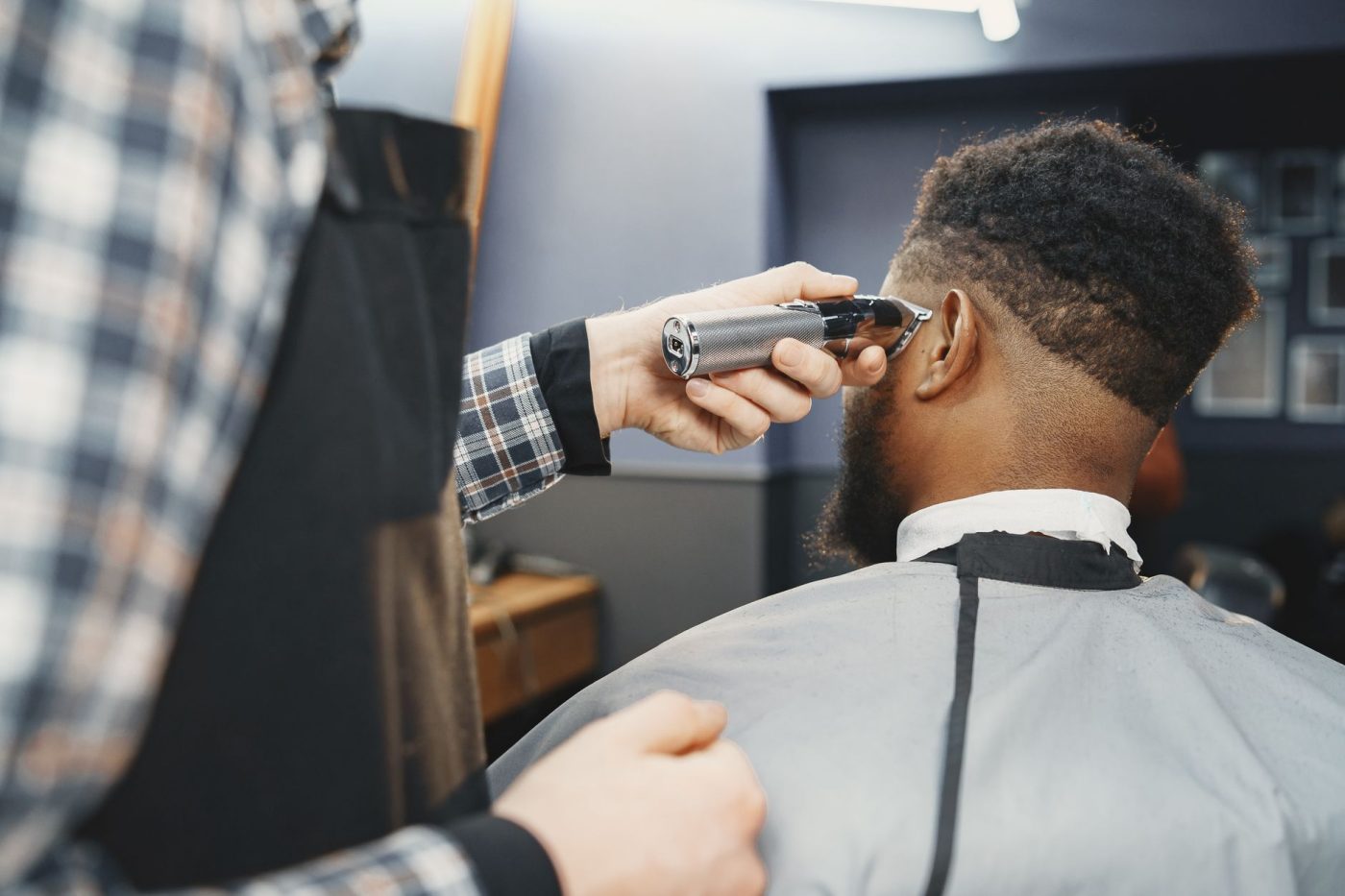
A skin fade takes the hair down to bare skin at the bottom, while a taper fade stops at a very short length and never exposes the scalp. That choice changes how sharp the cut looks on day one and how fast it loses its shape.
A skin fade looks harder and more graphic because the contrast between bare skin and the length on top is visible from across the room. A taper fade is softer and more forgiving, which is why it works well in offices and on hair that grows out unevenly around the neckline.
- Length at the bottom: skin fade reaches 0 mm, a taper fade stops around 1-3 mm.
- Upkeep: a skin fade needs a re-cut every 2-3 weeks, a taper fade holds 4-6 weeks.
- Regrowth: bare skin shows stubble within days, a taper fade blends gradually.
- Look: skin fade is sharp and high contrast, taper fade is subtle and natural.
How do you style and maintain a skin fade at home?
Style the top first and leave the shaved sides alone. Towel dry, work a small amount of matte clay or paste through damp hair, then push the front up and back with a blow dryer on medium heat. Finish with a light touch of product so the hair still moves.
The shaved band needs almost nothing. Wipe it with a damp cloth, apply a little moisturizer if the skin feels tight, and skip heavy pomade or wax there, because product buildup shows against bare skin within a day.
- Comb the top daily and rinse the sides with cool water to keep the line crisp.
- Trim stray hairs on the shaved band with clippers every 7-10 days.
- Ask your barber to clean the outline between full cuts to protect the blend.
- Book the next appointment before you leave the shop.
How often should you get a skin fade re-cut?
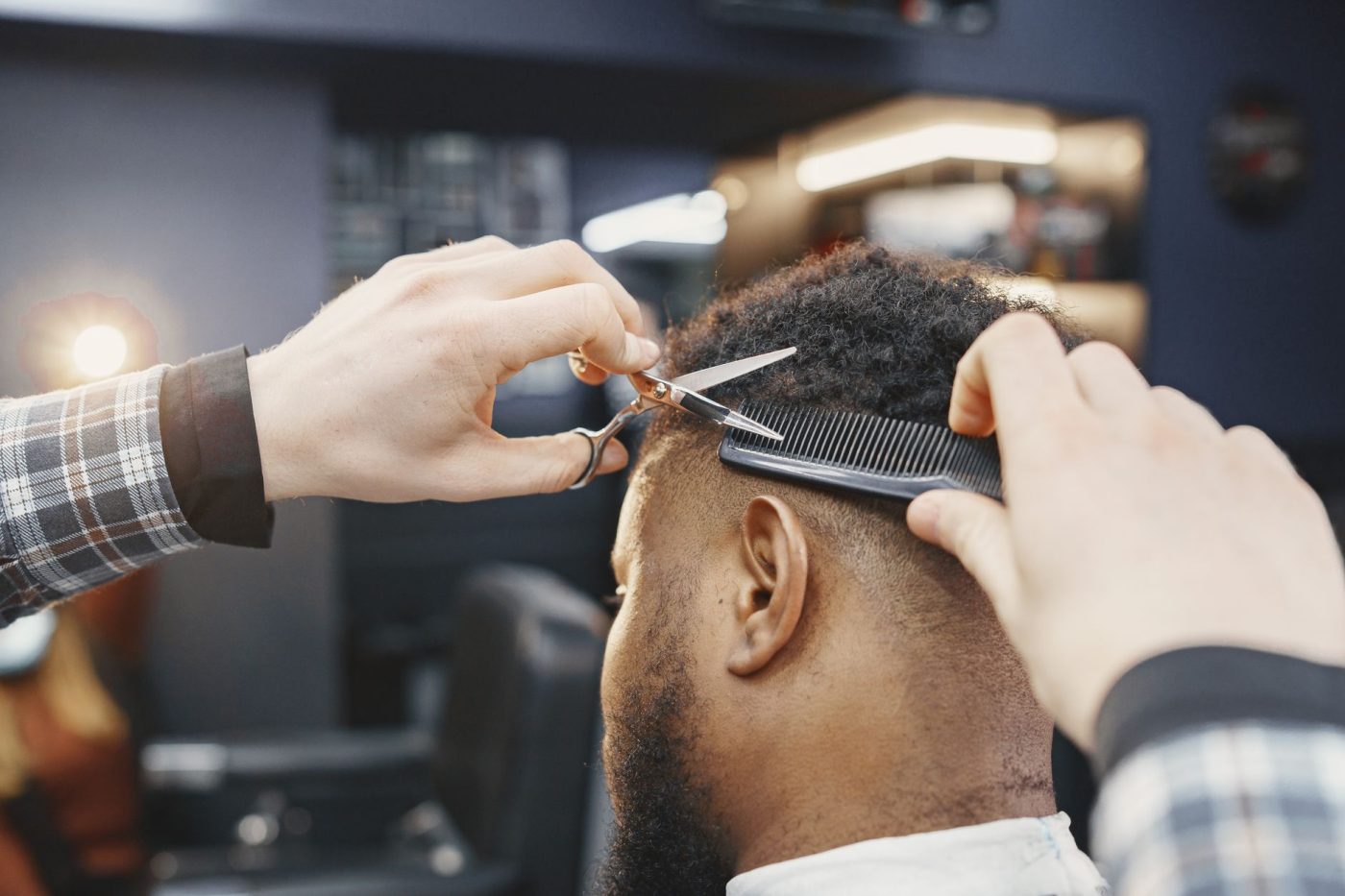
Most skin fades look sharp for 10-14 days, and after three weeks the difference between the shaved skin and the first stubble line is obvious. The fade does not grow out evenly. The shortest band at the bottom shows regrowth first, so the gradient turns into a dark shadow above bare skin.
You do not need a full cut every time. Ask the barber to clean the sides and back to the skin and leave the length on top untouched. Say it plainly: "Same fade, take the sides back down, keep the top where it is." A neck-and-edge tidy between full cuts stretches the shape by about a week.
- Book the first re-cut at 10-14 days if you want a crisp line for work or events.
- Wait three weeks only if the top is growing out and you plan to reshape it anyway.
- Ask for a skin clean-up, not a full cut, when the top still sits right.
- Check the outline at the temples and nape first, since those go soft before the fade does.
Which skin fade variations are worth trying?
A drop fade suits men who want the clean skin line to follow the curve of the head instead of sitting level, because it dips behind the ear and keeps the shape soft. A burst fade works best with curly or wavy hair on top: the skin is cleared around the ear and the crown keeps its volume, so the top reads full from the front.
Low, mid and high refer to where the fade starts. A low fade hides the shortest section under a hat, a mid fade is the safe all-round choice, and a high fade takes the skin line well above the temples for a sharper, more exposed look.
- Low fade: flatters longer faces and anyone new to skin fades.
- Mid fade: balances most face shapes and grows out neatly.
- High fade: adds height, best on round or square faces.
- Drop fade: softens the outline and suits thick or coarse hair.
- Burst fade: keeps curl volume on top and clears around the ear.
- Curly top with skin sides: pairs well with tight coils and waves.
FAQ
Does a skin fade work with curly hair?
Yes. Curly and coily hair takes a skin fade well because the shaved sides create a clean contrast against the volume on top. Ask the barber to leave enough length on top to keep the curl pattern, and plan on a trim every few weeks to stop the sides from looking fuzzy.
Can I get a skin fade if I am losing hair on top?
A skin fade can work, but the balance changes. A very tight top next to bare sides can make thinning more obvious, so many men keep a little more length up top or choose a lower fade. Tell your barber what you want the cut to look like in a month, not just on the day.
How short is the top of a skin fade?
The top is up to you. A skin fade only describes the sides and back, so the top can be a short crop, a textured fringe, a side part or several inches of length. Tell the barber the top length in inches or in finger-widths and bring a photo of the top you want.
Will a skin fade look bad while it grows out?
It grows out faster than most cuts because the shaved line moves up within days. The first week still looks sharp, then the bare band turns into stubble and the blend softens. If you want a cut that holds its shape longer, ask for a low fade or a taper instead.
