39 Messy Hairstyles for Men in 2026: Cuts, Styling and Barber Tips
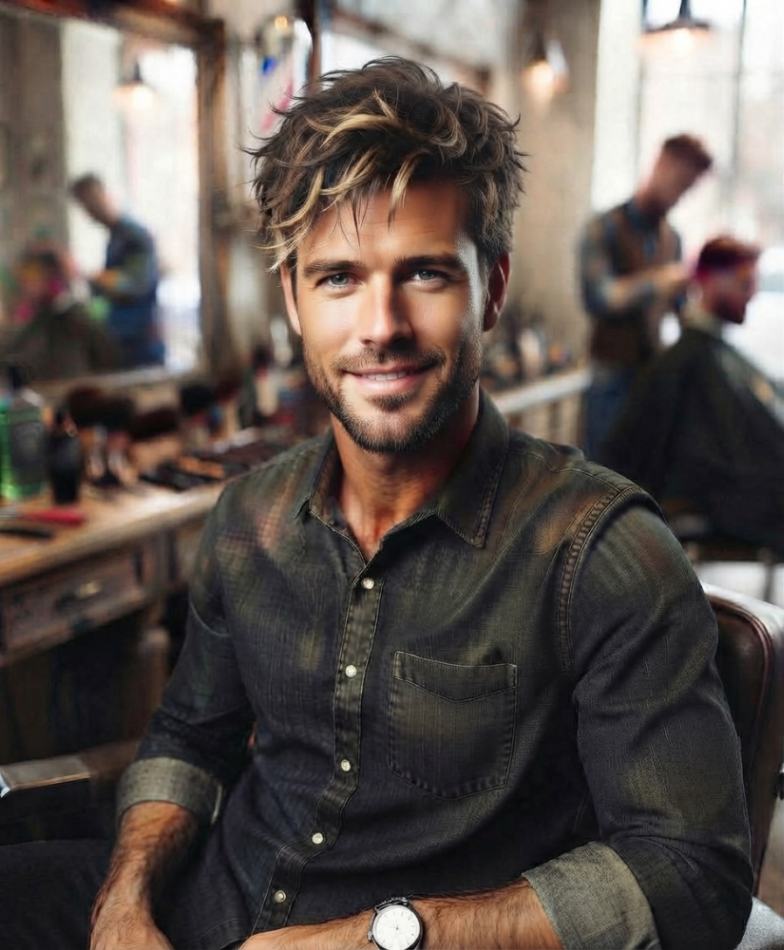
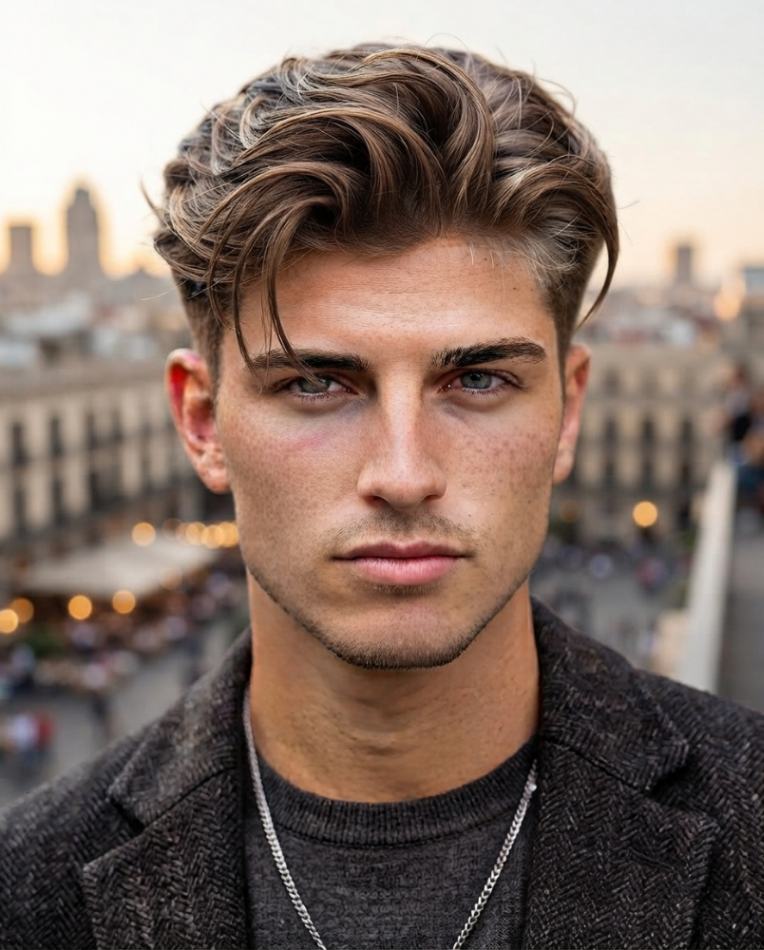
Most guys who try messy hair and give up make the same mistake. They try to fix a bad haircut with product. Tousled hair only looks good when something underneath holds the shape: layers, texture cut into the ends, and weight taken out where the hair is densest. With that in place, a bit of clay and your fingers are enough. Without it, you get either a puffy dome or a flat mop.
The frame is the other half of it. A tidy neckline, neat sideburns and trimmed hair around the ears tell people the chaos on top is on purpose. Let those grow out and the same top just looks like you’re overdue for a cut.
Short Messy Haircuts
Short Messy Hair
This length forgives almost everything. Helmet, hood, gym, rain – run a hand through it and it’s back in shape. You give up height, because there isn’t enough hair to build much. Towel it until it’s barely damp, warm a small bit of clay between your palms and scrunch it into the top.
Messy Crew Cut
A regular crew cut is short, neat and a little longer at the front. Rough up that front section and it stops looking like a school photo. The change is small, so it’s a safe test if you’ve never worn messy hair. A dab of light paste at the hairline, pushed up and slightly sideways, is all it needs.
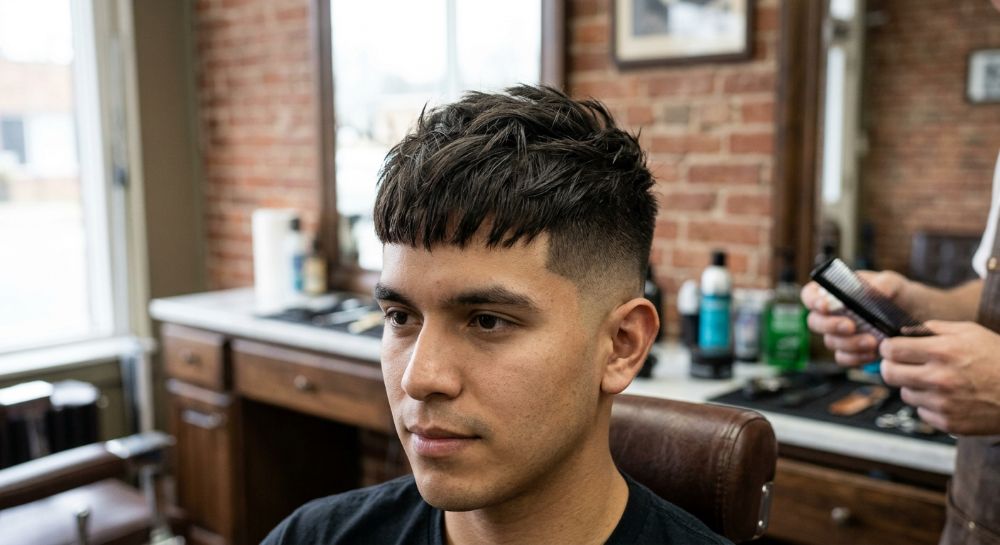
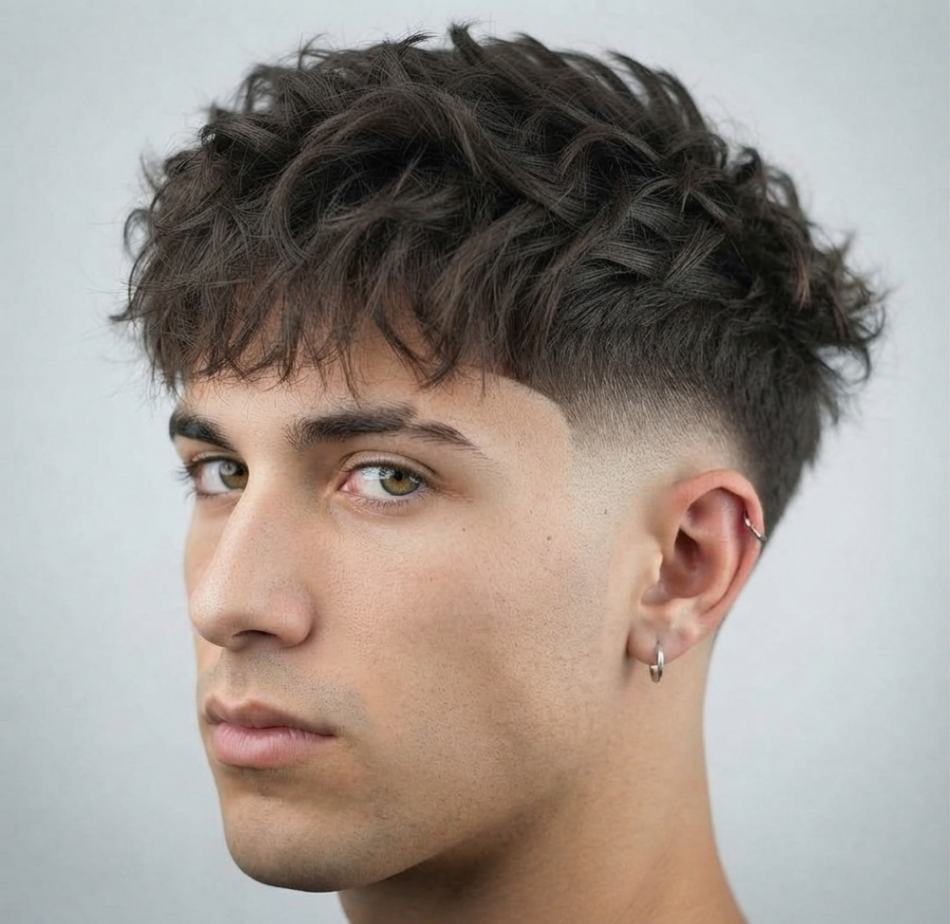
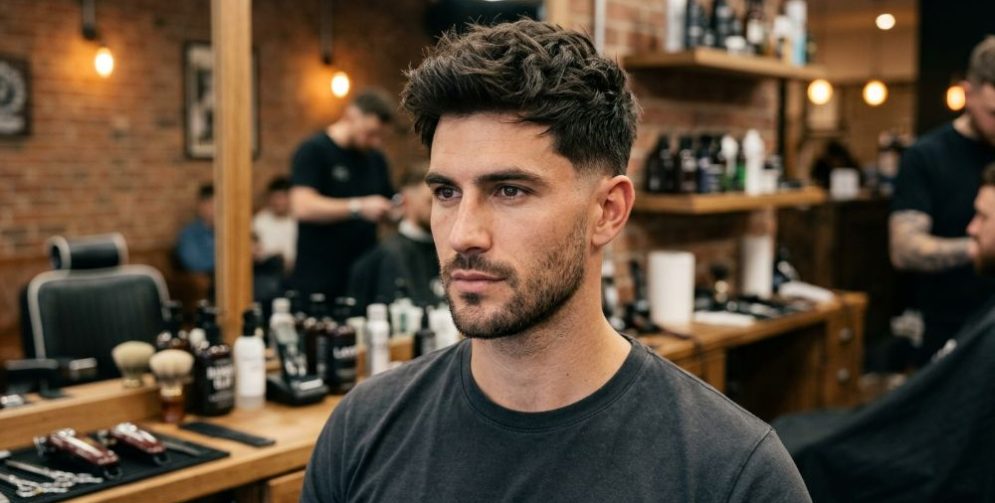
Messy Textured Crop
If you had to bet on one messy cut working for the most guys, this would be it. The short top is cut into choppy pieces that fall forward, and the sides are faded or tapered. Straight, wavy and thick hair all handle it well. Work matte paste in with your fingertips, push everything forward, then drag a few pieces off in other directions.
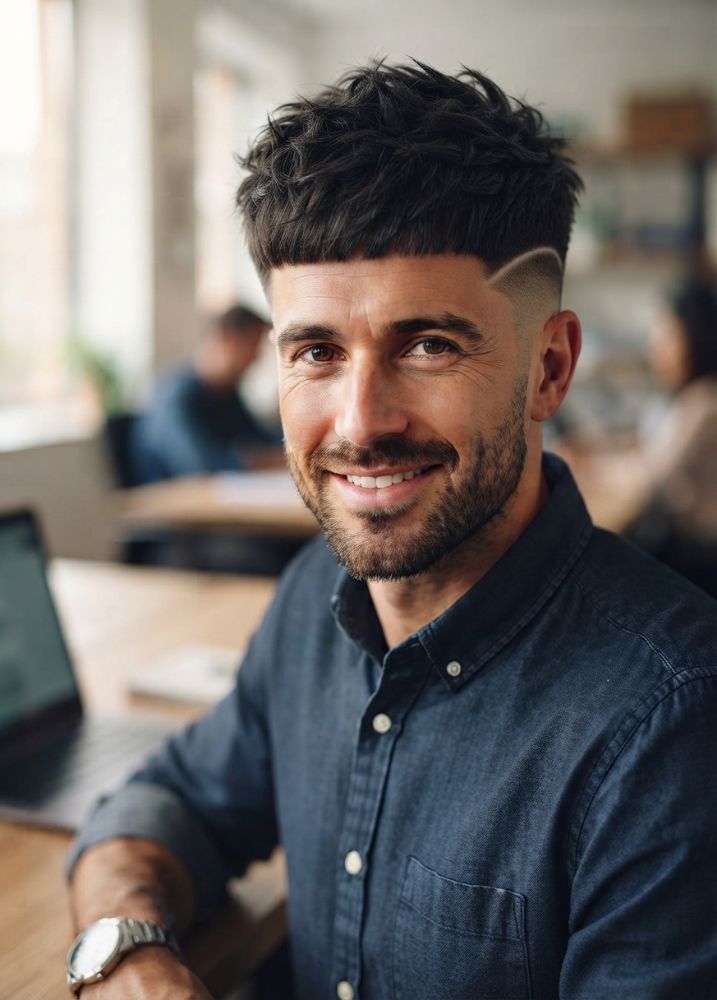
Messy French Crop
The standard French crop has a blunt, straight fringe and a flat top. The messy version chops both up. Faded sides keep it clean. Pinch clay into the fringe and angle it a little to one side so the front edge wanders instead of running straight across.
Messy Caesar
A Caesar is a very short top combed forward to a short, straight fringe. Here it stays short and forward, but the straight edge gets broken up. It suits guys who want a low fringe without the strict, statue-like look. Push the top forward with a little matte cream and pick the fringe apart with your fingertips.
Messy Edgar
The Edgar is known for its sharp fringe line and tight sides. Keep the line, rough up the top, and it stops looking like it was cut with a ruler. Ask for point-cut layers on top, then pick a taper or a fade depending on how much contrast you want. Style it with matte paste, pushing the top forward and a touch off-center.
Messy Spikes
Spikes had a rough reputation after the gel-soaked early 2000s. The current version is softer: uneven points of different heights leaning different ways. Short sides help it read as deliberate. Put matte clay on dry hair, twist random sections between two fingers and pull them up. If two neighboring spikes look identical, wreck one of them.
Messy Taper
A taper shortens the hair gradually around the ears and at the neckline, without taking it to skin. It’s the most office-friendly option in this list, and it doesn’t look scruffy after four weeks the way a sharp fade does. Dry the top with your fingers, then run a light matte cream through and push sections different ways.
Short Messy Hair with Taper Fade
Ask for roughly two to three inches on top, alow taper around the ears and neck, and point-cutting to lighten the top. Thick or straight hair that tends to sit heavy gets the most out of it. Rub a little matte clay into dry hair and pull small sections apart. The goal is slightly windblown, like you walked here, not like you dozed off on the bus.
Messy Hair Fade
Any messy top can sit over a fade, and the height of the fade changes the whole look. A low fade stays quiet, a mid fade sits in between, and a high fade makes the top the main event. Ask for choppy layers on top so there’s something to separate. Dry it with your fingers and finish with a small amount of clay or texture powder. Pull out a few pieces and leave the rest where it landed.
Messy Hair with Skin Fade
A skin fade takes the sides down to bare skin, which gives the cleanest edge possible. That edge lets you get away with a much wilder top. The catch is upkeep: skin fades start looking fuzzy in two to three weeks, so plan for regular visits. Texture powder at the roots and a little paste on the ends is plenty.
Messy Undercut
An undercut cuts the sides to one short length and leaves a long top, with a hard line between them. If you’ve been slicking yours back and you’re tired of the comb and the shine, this is the easy switch. Blow-dry the top loosely back and sideways, scrunch in some texture paste and let it drop.
Messy Two Block
The two blocks come from Korea: a longer top hanging over short sides and back. Worn messy, it feels far less polished than the K-pop version. Wavy or permed hair suits it best. Straight hair often falls flat on this shape unless you add powder. Dry the top forward and sideways and finish with a light cream.
Medium-Length Messy Hairstyles
Medium Messy Hair
Four to six inches on top is where messy hair has the most room. Pieces have enough length to fall and move, and the layers stop it from ballooning. Most hair types look good at this length. Tip your head down while you dry it, then rake a light cream through with your fingers and give it a shake.
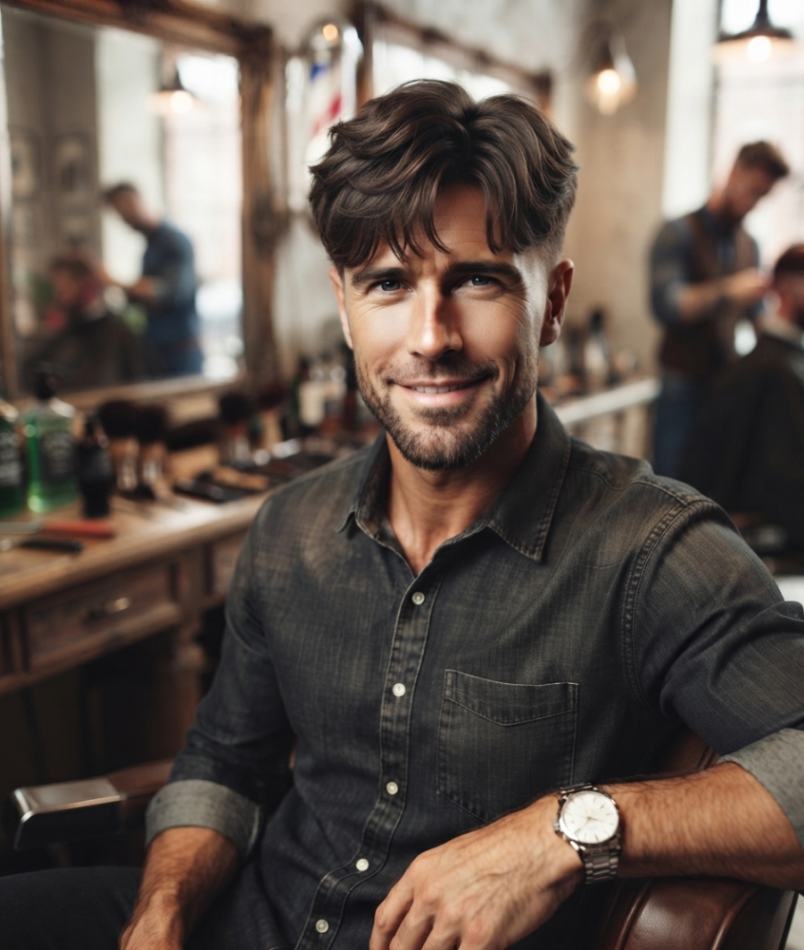
Messy Fringe
A fringe cut into loose pieces falls over the forehead instead of sitting in one solid line. It softens sharp features and covers a big forehead without making that obvious. The back and sides stay short. Rub light paste between your fingertips, work it into the fringe and push pieces down and slightly to the side.
Messy Quiff
The front still lifts up and back, but parts of it are allowed to sag and split. It looks a lot less try-hard than aclassic quiff, and younger too. Keep the sides short. Dry the front upward with your fingers, no brush, and finish with matte clay.
Messy Side Sweep
The front goes across the forehead at an angle, in loose pieces. It’s a good default if your hair already falls to one side, since you’re working with it instead of fighting it. Blow-dry roughly in the direction it wants to go, then push the front across with a little matte paste.
Messy Comb Over
Picture your dad’s side part, then take away the comb and most of the shine. The top keeps its direction but lifts at the roots and breaks into pieces. Ask for a soft part instead of a shaved line, and scissor-cut layers on top. Dry from the part with your fingers under the roots, then add a flexible matte cream. It’s still neat enough for meetings.
Messy Brush Back
Medium-length hair goes back off the face, pushed by fingers instead of a comb. It’s looser than a slick back and tidier than hair that’s simply grown too long. A soft taper around the ears keeps the outline clean. Work a little mousse or texture spray into damp hair, blow-dry it backward with your fingers and finish the ends with a flexible cream. A few strands falling forward are fine. Oddly, it looks good with a suit.
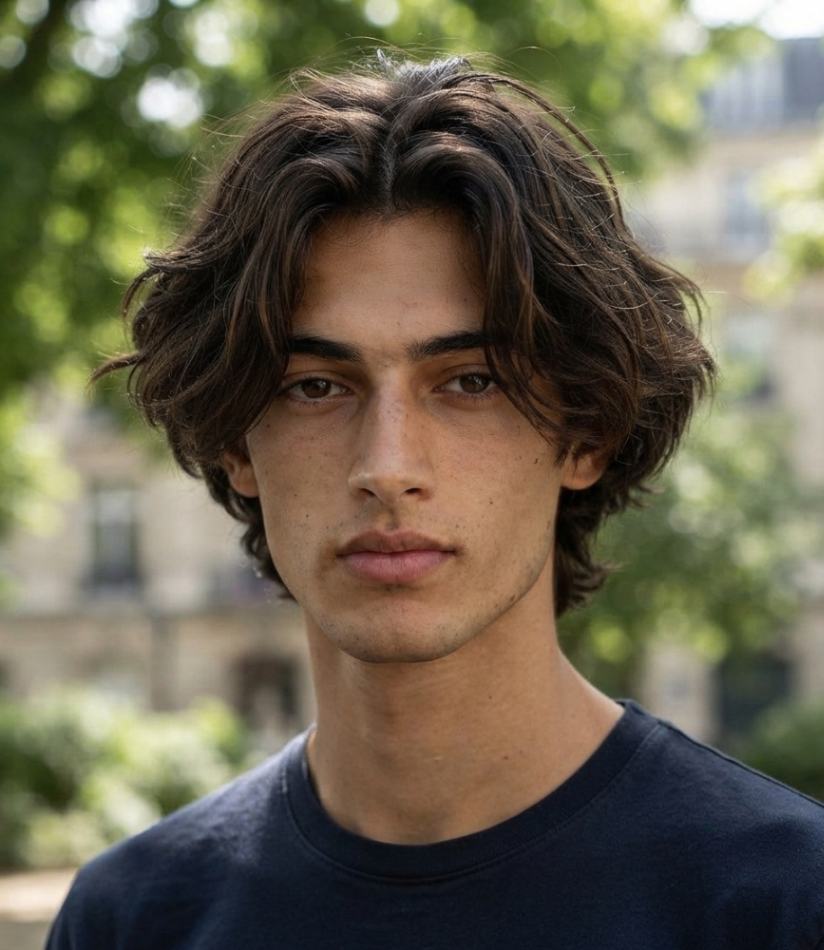
Messy Curtains
A longer fringe parted roughly down the middle, each side falling around the face in loose, uneven pieces. It’s the 90s look with a sloppier part. Wavy hair makes this easy. Straight hair can do it, but it tends to hang limp by the afternoon. Dry the hair away from the middle, add a little light cream and let each side drop.
Messy Mod Cut
A rounded, layered top, a long fringe and soft sides. The shape takes after1960s British style, and the broken-up surface keeps it from looking retro. Straight and wavy hair suit it. Thick hair needs weight cut out from inside, or it bulges around the ears. Spray sea salt into damp hair, dry it forward with your fingers and finish with a light cream.
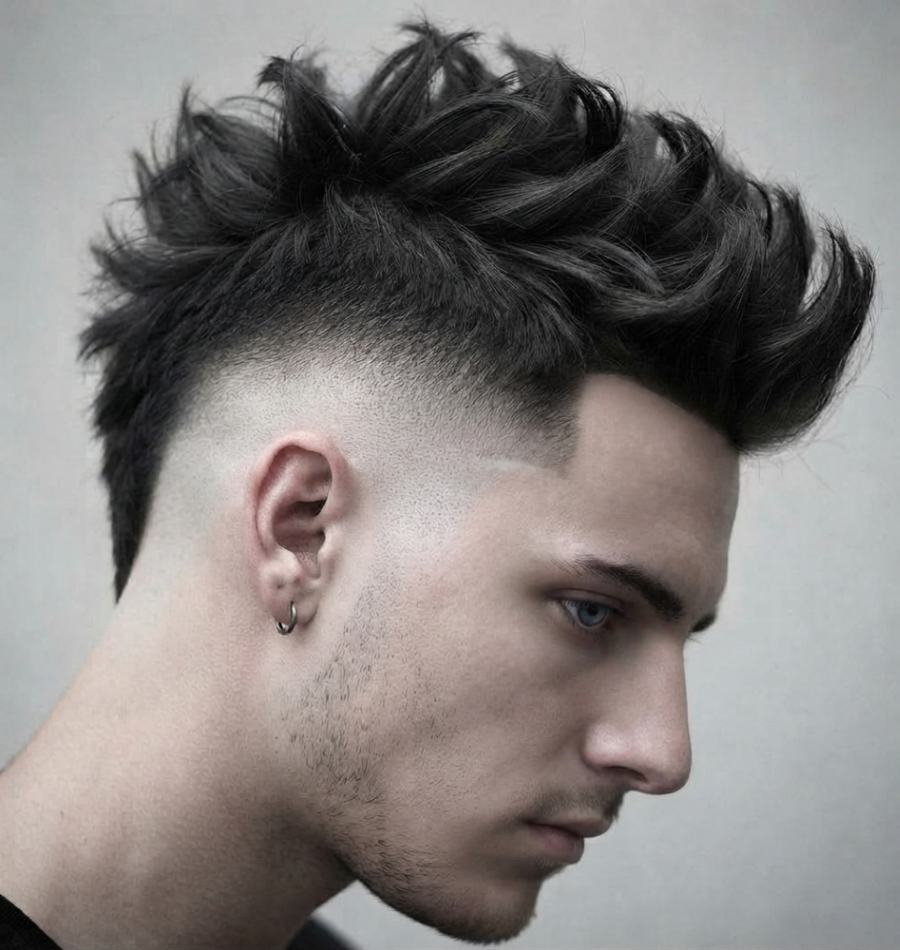
Messy Faux Hawk
The sides are pushed up toward a ridge down the middle, and the ridge stays rough. You get a bit of edge and can still wear it to work. Tapered sides help. Use a medium-hold paste on dry hair and push both sides toward the center.
Messy Mohawk Fade
Longer textured hair runs down the middle, with faded sides. No gel and no stiff spikes, just height and separation. The strip needs some width. A narrow one looks like a Halloween costume and is hard to wear casually. Dry it up and slightly forward, then pinch in a strong matte paste. A burst fade makes it bolder, a low fade calms it down.
Messy Blowout Taper
Lots of height and width at the front and crown, with only the temples, sideburns and neckline cleaned up. Thick, wavy and curly hair get there with little effort. Straight hair can too, with good layering and a pre-styler, but expect it to drop a bit over the day. Use volumizing mousse or sea salt spray, blow-dry up and out while scrunching, and add texture powder at the roots.
Messy Waves
Wavy hair is halfway to this style already. The waves separate on their own, so your main job is staying out of the way. Spray sea salt into damp hair, scrunch it in your fist a few times and let it air dry. Touching it while it dries is how you get frizz.
Messy Curls
Curls look very messy when they’re hydrated and frizzy when they’re dry. That comes down to products and care, not the cut. Keep the sides tapered so the top has room. Work curl cream into damp hair, scrunch, and air dry or diffuse on low. Once it’s dry, loosen the curls gently with your fingers.
Messy Straight Hair
Straight hair has no movement of its own, so the barber has to cut it in. Layers and point-cut ends give it pieces to separate into, and grippy products hold them. Once the cut is right, it can hold a messy shape all day. Ask for texturizing on top at every visit. Powder at the roots, paste on the ends.
Messy Thick Hair
Thick hair has plenty to work with, but only after the barber takes weight out from inside. Skip that and it swells into one solid block. Layered, it falls into big, heavy pieces that look messy. Rough-dry it, then work medium-hold clay in section by section so it reaches the hair underneath and not just the top layer.
Messy Fine Hair
Fine or thin hair has fewer options. Short cuts like a crop or crew cut hold volume better than long ones, which tend to lie flat and show scalp. Ask for light texturizing, not heavy thinning. Texture powder or a light sea salt spray at the roots works. Heavy creams and waxes just flatten it.
Bedhead Hair
A cleaned-up version of how your hair looks when you wake up. The top goes in random directions and the edges stay neat. Real bedhead almost never looks this good. Rub texture powder into dry roots, press sections the wrong way with your palms and stop before it looks planned.
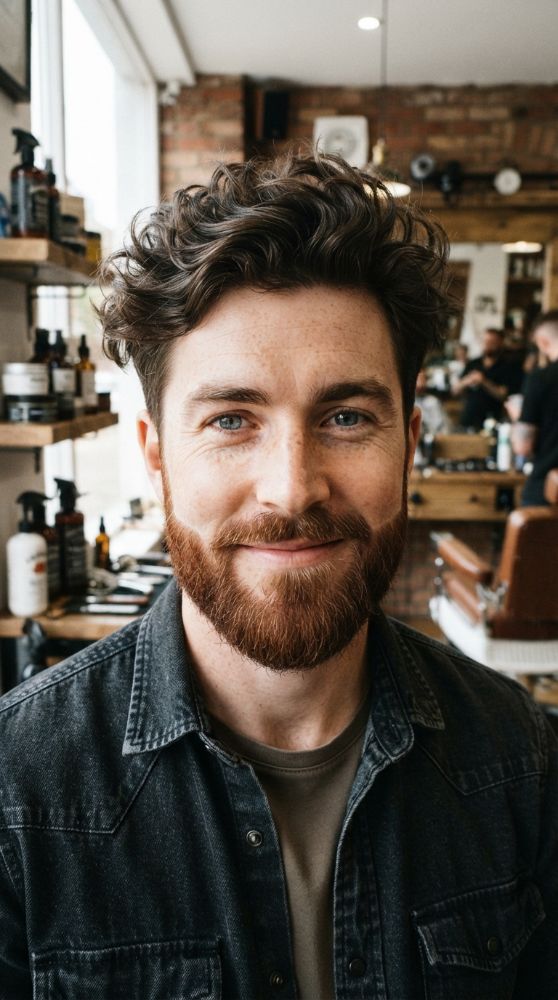
Messy Hair with Beard
A neat beard tells everyone the messy hair is on purpose. Keep the cheek and neck lines crisp. If both the hair and the beard are wild, the look stops working. Style the top as usual, brush the beard every day and add a few drops of beard oil.
Long Messy Hairstyles
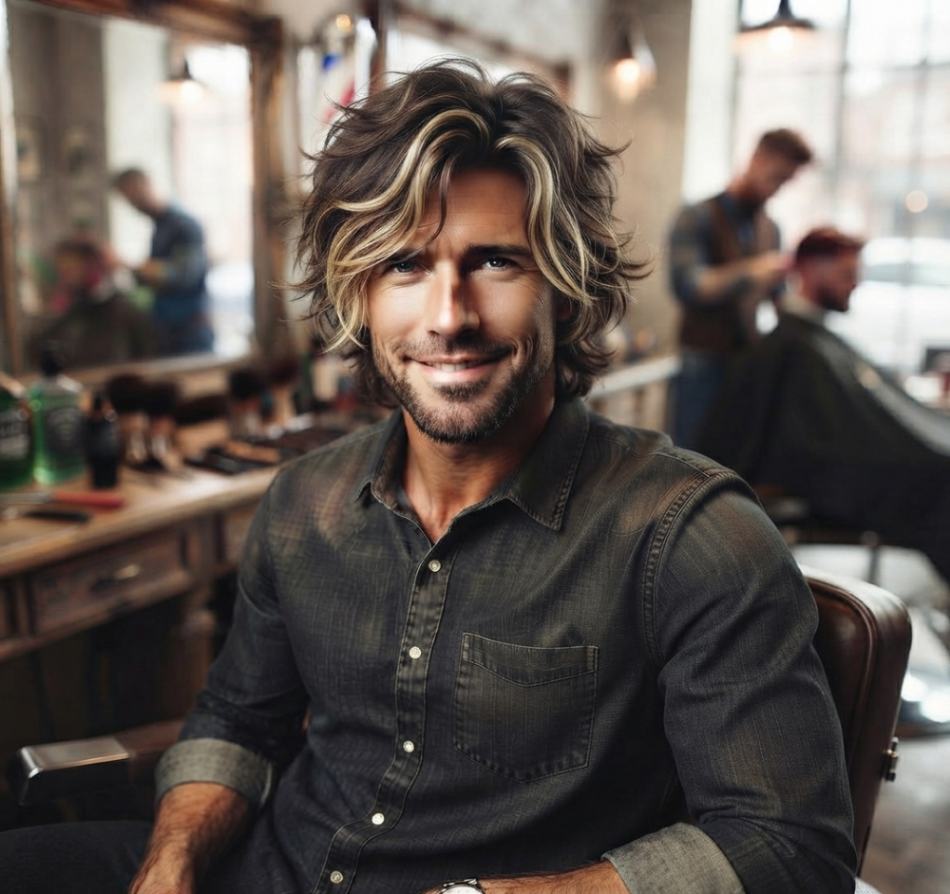
Long Messy Hair
Collar length and past. Layers keep it from hanging like a flat sheet. At this length, healthy hair looks like a rock musician and damaged hair looks like a month lost at sea, so conditioner matters as much as styling. Scrunch sea salt spray through damp hair, let it dry and rake through once.
Messy Bro Flow
Medium-to-long hair pushed back from the face, with strands breaking loose at the temples and crown. It has a just-back-from-hockey-practice feel. Push damp hair back with your fingers, add some texture spray and don’t touch it again until it’s dry.
Messy Shag
Lots of layers through a medium-long cut, with the ends falling wherever they like. It borrows from 70s rock and 90s grunge. It looks better the day after washing, when the hair has some grip. Rough-dry, shake it out and add texture spray only if it feels slippery.
Messy Wolf Cut
Shag layers on top, mullet length at the back. It looks random, but it only works if the layers are in the right places. If they’re off, the crown goes flat and the ends stick out, and product won’t fix it. Pick a barber who has cut one before and ask to see photos. Scrunch in a light cream or sea salt spray and let it settle.
Messy Mullet
A tousled top and fringe, with a longer, loose back. Roughing it up softens the business-in-front contrast. People still have opinions about mullets, so be ready for comments. Matte paste on top, one scrunch at the back, done.
Messy Surfer Hair
Salty, wavy mid-length hair tossed back and to the side. Sun-lightened ends, real or from a salon, finish it. It looks at home on a beach and a little less so in a winter office. Soak damp hair with sea salt spray, scrunch hard, let it dry completely, then shake it up with both hands.
Messy Man Bun
Long hair twisted into a loose knot, with a few strands left out at the temples and nape. Keeping it loose is also kinder to your hairline. Wearing hair pulled tight every day can cause traction alopecia, which is hair loss from constant tension. Gather it with your fingers, twist it into a soft knot and pull a few pieces free.
Messy Afro
A messy afro keeps the volume but lets the outline go softer and rounder. Messy here should never mean dry. A pick gives volume, and moisture gives the finish. Ask your barber to keep the fullness and just tidy the edges and any uneven spots. Put leave-in conditioner or curl cream on damp hair, let it dry without fiddling, then lift at the roots with a pick.
What to Tell Your Barber
“Just make it messy” isn’t much to go on. Give your barber three things.
The goal: say you want to wear it messy and textured. That’s the cue to layer the top, point-cut the ends and take weight out, instead of cutting everything to one length.
The base and the length: pick a cut from this list, like a crop, a quiff or curtains. Say how long you want it, in inches or by where it should reach, like eyebrows, ears or collar.
The edges: skin fade, mid fade, taper or natural. Sharper edges make the top look more deliberate, but they also mean more visits.
It helps to ask for texturizing by name, meaning point-cutting, slide cutting or razor work. A photo helps even more, as long as the person in it has hair like yours. A picture of a curly-haired model won’t tell your barber much about your straight hair.
Is Messy Hair Right for You?
Time
Expect about two to four minutes most mornings. That easily beats a pompadour or a slick back. Short crops and natural waves or curls take even less.
Hair Type
Wavy hair has the easiest time. Curly hair needs moisture more than styling skill. Straight hair leans hardest on the cut and on grippy products, and thick straight hair also needs weight removed. Fine hair has the fewest options and does best short, with light products. Anyone can wear it. Some guys just put in more effort.
Face Shape
Put the volume where your face needs it. On a round or wide face, height at the front and flatter sides make it look longer. On a long face, do the opposite: less height, and more width or a fringe. Square faces handle chunky texture well, and a few soft pieces at the front break up the angles. Oval faces can wear almost anything.
With alarger forehead or receding temples, forward or angled movement at the front balances things out without looking like a cover-up. Check your profile too, not just the front-on mirror view.
Work
A messy crop with a clean fade is fine almost anywhere. Long bedhead in a client meeting is a harder sell. In a formal job, stick to taper-edged styles and keep the mess at the front.
Styling Messy Hair: The Routine
Start with damp hair and a blow-dryer, no brush. Rake and shake the hair with your fingers while you dry it, head tipped forward if you want lift. A brush smooths hair out, which is the opposite of what you’re after.
Then product, and keep it matte. Powder gives root lift, sea salt spray adds grip, paste or clay defines pieces, and a light cream calms frizz on longer hair. Curly hair is the exception and wants curl cream. Shiny pomade and gel make hair look combed even when it isn’t.
Use less than you think you need. Warm it between your fingers until you can’t see it, then pinch it into small sections, changing direction each time. Wiping it flat over the top glues everything into one stiff piece. Give your head a shake at the end. And stop a little before it looks done, because the day will loosen it further anyway.
Keeping It Looking Good Between Cuts
Freshly washed hair is slippery and won’t hold texture well. Many messy styles look better the day after a wash, once natural oils give the hair some grip. Between washes, a splash of water and a quick rough dry bring it back.
The conditioner does more work here than in most styles. Healthy hair roughed up looks cool. Dry, damaged hair roughed up just looks damaged, and there’s no shine to hide it. Go easy on daily heat too.
Watch the neckline. Fuzz at the collar is the quickest way to make a messy look neglected. A light trimmer pass along the existing line each week helps, though if your hands aren’t steady, leave it to your barber. A crooked neckline looks worse than a fuzzy one.
Sleep can do part of the styling for you. Go to bed with barely damp hair and shake it out in the morning. If it comes out too wild, press it down with a wet palm and dry it again for half a minute.
Layers lose their shape as they grow, and the texture goes with them. Most short and medium cuts need a refresh every four to six weeks, and fades start losing their edge in two or three. If a full cut isn’t due, a quick texturizing pass on top buys you a few more weeks.
And if your hair looks greasy or heavy by lunchtime, the fix is almost always less product, not a different one.
FAQ
What makes a hairstyle messy instead of just unkempt?
Messy hair has a layered, texturized cut underneath, a matte or natural finish and clean edges. Unkempt hair usually lacks at least one of those. Either the cut has no layers, the hair is dry and frizzy, or the neckline has grown out. Fix the cut, then the condition of the hair, then the edges.
Can you wear messy hair to work?
Yes, if it’s a controlled version. A messy crop, a textured crew cut or a loose quiff over a fade or taper works in most offices. Long, wild styles fit creative jobs better than formal ones.
Which products work best?
Matte ones. Texture powder for lift, sea salt spray for grip, paste or clay for hold and a light cream for longer hair. Curly hair does best with curl cream. Skip gel and glossy pomade.
Can straight or thin hair look messy?
Both can. Straight hair needs layers, point-cut ends, powder and paste. Thin hair looks best in shorter cuts with light products. Heavy creams flatten it.
What haircut should I ask for?
Say you want to wear it messy, then choose a base. A textured crop or crew cut if you want it short, a quiff or French crop for a bit more length, and a layered medium cut or shag for longer hair.
How long does hair need to be?
Two to three inches works for crops and crew cuts. Four to six inches opens up quiffs, curtains and most medium styles. Collar length and longer suits flows, shags and buns.
How often do you need a cut?
Every four to six weeks for most short and medium styles. Fades need touching up more often, around every two to three weeks. An occasional clarifying wash also helps clear product buildup.
Final Thoughts
Messy hair looks like no effort because the effort goes into the cut, not the styling. Get a cut with real layers, choose a style that fits your hair and your job, keep the edges tidy and go light on product. The rest takes a couple of minutes in the morning and a bit of patience with your hands off your head.