
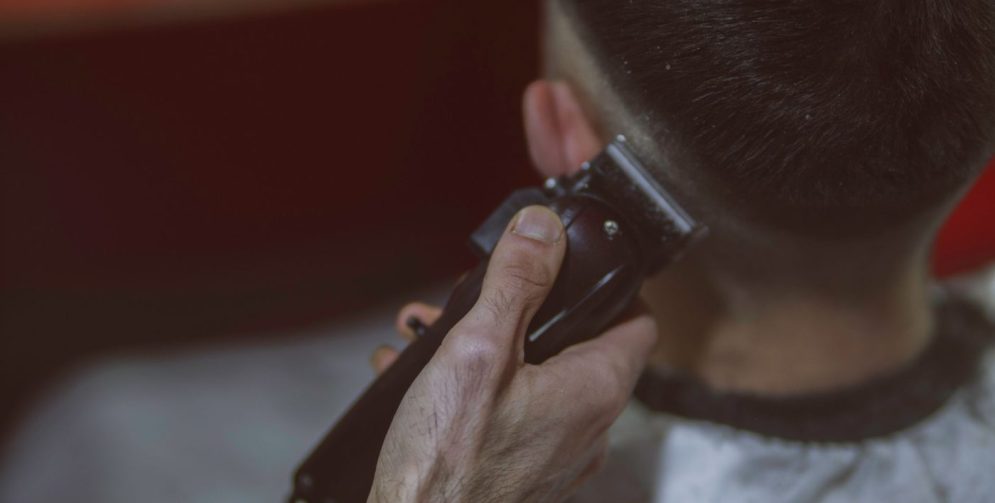
What Is a High Fade Haircut?
A high fade haircut is a style where the hair on the sides and back tapers from skin or very short length up to a longer length on top, with the blend starting high on the head. The blend starts at the temples and curves back above the ear, leaving a narrow band of faded hair before it meets the longer hair on top.
The fade line's placement defines the cut. On a high fade, the line sits well above the occipital bone and the natural curve of the head. This creates a bold contrast between the shaved sides and the longer hair on top. The top stays disconnected from the fade, giving the cut a sharp, clean silhouette.
The difference from other fades is where the blend begins. A low fade starts just above the ear and hugs the hairline, keeping more bulk on the sides. A mid fade sits halfway up, around the top of the ear. A high fade sits higher and removes more weight from the sides, making the top appear fuller and the overall shape more dramatic.
Who Does a High Fade Suit?

A high fade creates a strong contrast that draws the eye upward. It adds height and structure, so it flatters round and square face shapes. The exposed sides remove width, making the face appear longer and more angular.
Oval faces suit almost any fade, but a high fade highlights their balanced proportions. If you have a diamond or heart-shaped face, keep some weight on top to avoid exaggerating a narrow jaw or chin. If your face is long, a high fade can make it look longer still. Ask your barber to leave more bulk through the crown to offset that effect.
Hair type matters less than you might expect. Straight and wavy hair shows the fade line most clearly. Curly and coily hair takes a high fade well too, with the texture on top creating a natural contrast against the tight sides. The key is density. Thick hair holds the shape better. Very fine hair can expose the scalp if the fade goes too high or too tight.
- Round face shapes benefit from the height and reduced side width.
- Square faces gain sharpness from the clean lines above the temple.
- Thick, straight hair gives the barber the most canvas to blend the fade.
- Curly hair pairs well with a high fade when you leave length on top for texture.
- Avoid taking the fade too high if you have a long face shape or very fine hair.
How Do I Ask My Barber for a High Fade?
Walk into the shop knowing the exact words for the cut. Say "I want a high fade, starting at the temple, with a zero at the bottom." The term "zero" means the clippers go down to bare skin with no guard attached. If you want a bit of stubble left, ask for a "half guard" or a "one guard" instead.
Show your barber where the blend should stop. Touch the top of your temple and say "fade starts here." Then point to the ridge where your head starts to curve, about two fingers above your ear, and say "blend up to here." This removes the guesswork and sets the transition line high on the head.
- State the guard length for the bottom section: "skin zero," "half guard," or "one guard."
- Point to the temple and say "fade starts here" to set the low point of the blend.
- Touch the parietal ridge above your ear and say "blend stops here" to mark the high transition line.
- Describe the top length in inches or finger width: "leave two inches on top" or "leave enough to part."
- Mention the neckline finish: "taper the back" for a natural look or "block it square" for a sharp edge.
- If you want a hard part, say "shave a hard part on the left side" and show the line with your finger.
A photo on your phone helps, but these spoken cues make sure you both agree on the shape before the clippers start. The high fade leaves almost no hair below the temple, so the barber needs that top reference point to keep the proportions balanced.
How to Style a High Fade Haircut at Home

The product that works best depends entirely on the length and texture left on top. For thick or wavy hair, a matte clay gives hold without adding shine, keeping the contrast with the faded sides natural. Straight, fine hair benefits from a volumizing powder or a light mousse applied to damp roots. If you wear a longer textured crop or a pompadour, a medium-hold cream lets you reshape the style with your fingers during the day.
A consistent morning routine takes about five minutes and prevents the cut from looking flat. The goal is to define the top without disturbing the clean lines of the fade.
- Towel dry hair until it is damp, not soaking wet. Excess water dilutes the product and weakens the hold.
- Warm a dime-sized amount of product between your palms. Rub hands together until the product disappears, then apply to the top section first.
- Work the product from the roots outward. Use your fingers to lift hair at the crown, then shape the front into place.
- Let the product set for sixty seconds, then run a comb or your fingertips lightly over the surface to break up any clumps.
- Finish with a mist of light-hold hairspray if your hair tends to fall by midday. Spray from at least ten inches away to avoid a wet look.
Never apply heavy pomade or gel directly to the faded sides. That flattens the graduation and makes the transition look harsh instead of blended.
How to Keep a High Fade Looking Sharp Between Cuts

A high fade sits above the temples and exposes more scalp than a low or mid fade. That means even a small amount of regrowth around the line of demarcation makes the cut look messy fast. Most men find the fade loses its crisp edge after about 10 to 14 days.
You can stretch the time between appointments with a few simple habits. Wash your hair every day or every other day with a gentle shampoo. Clean hair lies flatter and shows the fade line more clearly. A small amount of matte paste or clay worked into the longer hair on top keeps the style intentional, which draws the eye away from the fading border.
Do not try to shave the fade line yourself with a cartridge razor or beard trimmer. The gradient is too subtle for an unguided hand, and one wrong pass can create a hard shelf that takes weeks to grow out. Instead, use a set of small clippers with a zero-gap blade to lightly clean up the hair on your neck and around your ears. This tidies the perimeter without touching the fade itself.
Book your next cut when you notice the shortest section has grown to about 2 or 3 millimeters. For a high fade, that usually means every two weeks. Staying on a regular schedule keeps the shape intact and saves you from paying for a full restyle.
Common Mistakes to Avoid with a High Fade
A high fade exposes more scalp than a low or mid fade, so small errors stand out quickly. Most problems come down to vague instructions, the wrong product, or waiting too long between appointments.
- Asking for a “high fade” with no number. The barber needs to know where the fade ends and which guard to use. Say the clipper number for the shortest point and where you want the blend to stop.
- Using pomade or heavy wax on the faded sides. Thick products sit on the skin and can clog pores around the freshly shaved area. A light matte paste or clay works better for the top without touching the sides.
- Letting the fade grow past the occipital bone. The sharp line around the back of the head becomes a blurry shelf after about two weeks. Book your next cut before the shape is completely lost.
- Ignoring the temple points. A clean high fade draws the eye to the corners of the forehead. If your barber leaves the temple area natural, ask them to line it up so the fade connects evenly to your hairline.
- Overwashing the top while scrubbing the fade. Short faded hair needs gentle cleansing. Scrubbing the fade with your nails can irritate the skin and cause redness that shows through the shortest guard.
Fixing a bad high fade usually means waiting for the hair to grow back enough to reshape it. If the blend looks patchy after a day or two, call the shop and ask for a quick touch-up instead of trying to even it out with clippers at home.
FAQ
How often do I need a trim to maintain a high fade?
Most men find that a high fade looks its best when refreshed every two to three weeks. The high placement of the blend means that even a small amount of new growth creates a visible line, so sticking to a regular schedule keeps the cut sharp.
Can I get a high fade if I have curly hair?
Yes, a high fade works well with curly hair. The tight blend on the sides puts all the attention on the natural texture on top. Ask your barber to leave enough length on top for your curl pattern to sit properly without springing up too much.
What is the difference between a high fade and a skin fade?
A high fade describes where the blend begins, high on the sides of the head. A skin fade describes how short the hair goes at the lowest point, down to the skin. You can ask for a high skin fade, which combines both features for a very clean, dramatic finish.
What products should I use on the top section?
The right product depends on the finish you want. A matte clay or paste gives a natural, textured look with a strong hold. For a sleeker, shinier finish, a small amount of pomade or styling cream works better. Apply to damp or dry hair according to the product instructions.
